If your breakers trip every time you run the microwave while the AC is on, or you’re planning to add an electric vehicle charger, heat pump, or a home battery system, your electrical panel likely needs a capacity boost. Upgrading to 200 amps is one of the most impactful home improvements you can make, but the cost to upgrade electrical panel to 200 amps often surprises homeowners. This guide explains every factor that influences the price, helps you choose the right service option, and reveals hidden costs you need to anticipate. Whether you’re building a smart home or just trying to modernize a 60‑amp fuse box, you’ll find everything you need to make an informed decision. Let’s break down the numbers and the process.
What Determines the Cost to Upgrade Electrical Panel to 200 Amps
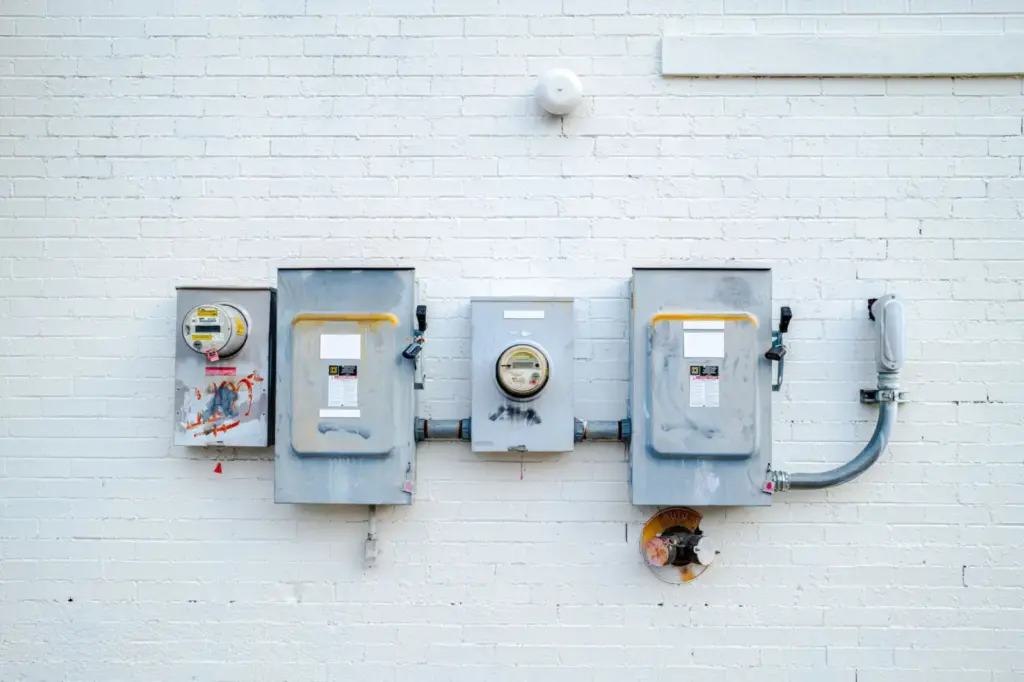
Several variables push the final price up or down. Understanding them helps you compare quotes intelligently and avoid unexpected expenses.
Type of Panel and Brand
Standard 200‑amp panels from brands like Square D, Siemens, or Eaton cost between $100 and $300 for the unit itself. However, if you choose a “smart” panel that offers remote monitoring and individual circuit control (e.g., Span, Leviton), the hardware alone can exceed $2,000. The panel type directly impacts the total cost.
Labor Rates and Location
Licensed electricians charge $50–$150 per hour. In major cities or regions with high demand, rates trend toward the upper end. Rural areas may be cheaper, but travel fees can add $100–$200. The complexity of rerunning service entrance cable from the meter to the panel also increases labor.
Permit and Inspection Fees
Local building departments usually require a permit for panel upgrades. Permit fees range from $50 to $500 depending on your municipality. An inspection by the city or county is typically included. Skipping permits is risky and can lead to denied insurance claims or fines.
Additional Electrical Work
If your home has old knob‑and‑tube wiring or aluminum branch circuits, replacing them will raise the total cost. Upgrading to 200 amps often requires a new weatherhead, mast, or service drop from the utility company. Some utilities charge a connection fee of $200–$2,000.
Current Condition of the Service Entrance
Homes with underground service might require trenching. Homes that need a new meter socket or grounding system also add cost. An electrician’s quote should include a site inspection to identify these items.
Average Cost Comparison Table (Global Ranges)
The table below shows typical cost ranges for a 200‑amp panel upgrade in different regions. All figures are in USD for easy comparison. Actual prices vary.
| Region | Average Total Cost (USD) | Typical Labor | Permit | Typical Materials |
|---|---|---|---|---|
| United States (suburban) | $1,500 – $3,500 | $800 – $2,000 | $100 – $400 | $500 – $1,200 |
| Canada (major cities) | CAD $2,000 – $4,500 | CAD $1,000 – $2,500 | CAD $150 – $500 | CAD $600 – $1,500 |
| United Kingdom | £1,200 – £2,800 | £600 – £1,500 | £100 – £300 | £400 – £1,000 |
| Australia (metro) | AUD $2,500 – $5,500 | AUD $1,500 – $3,000 | AUD $200 – $600 | AUD $800 – $2,000 |
Keep in mind that these ranges assume a simple panel swap with no major rewiring. If your home requires a service mast upgrade or new conduit, add $300–$1,000.
5 Options for Your 200‑Amp Panel Upgrade
Choosing the right service provider or approach can save you hundreds—or cost you thousands if you pick incorrectly. Below are the most common options homeowners consider, each with its own trade-offs.
Option 1: Licensed Independent Electrician
Overview: A licensed electrician who runs their own business. They often charge lower overhead than national chains and provide personalized service.
Features: Full liability insurance, permit handling, code‑compliant installation, 1‑2 year warranty on labor.
Pricing: $1,500 – $3,500 total. Material markup may be minimal if you buy the panel yourself.
Advantages:
- Competitive pricing and flexible scheduling
- Direct communication with the person doing the work
- Often familiar with local building codes
Disadvantages:
- Availability may be limited during peak seasons
- Less brand recognition; harder to verify past work
- Warranty may be short compared to national services
Best For: Homeowners who want a balance of affordability and professionalism.
User Experience: Most customers appreciate the lower cost and personal touch. However, some report difficulty getting follow‑up service if issues arise.
Expert Opinion: A licensed independent electrician is often the best value for standard upgrades. Their lower overhead usually translates to fair pricing, and most take pride in doing the job right.
Option 2: National Electrical Service Chain (e.g., Mr. Electric, One Hour)
Overview: Franchise operations with standardized pricing, branded vehicles, and centralized call centers. They often offer extended warranties and financing.
Features: 24/7 emergency service, satisfaction guarantees, 2‑5 year labor warranties, online booking.
Pricing: $2,500 – $4,500 total. Expect higher per‑hour rates due to franchise fees and advertising costs.
Advantages:
- Hassle‑free scheduling and billing
- Multi‑year warranties that transfer with home sale
- Often stock common panels and can finish the job in one day
Disadvantages:
- Higher price point
- Technician experience can vary between franchises
- Up‐selling of unnecessary add‑ons (e.g., whole‑house surge protection)
Best For: Homeowners who value convenience and a long warranty over saving money.
User Experience: Customers frequently mention the professional appearance and cleanliness. Complaints center on feeling rushed into upgrades that weren’t discussed upfront.
Expert Opinion: National chains are reliable for standard work, but you pay a premium for the brand. Always get an itemized quote and ask which add‑ons are optional.
Option 3: General Handyman (Non‑Licensed)
Overview: Handymen who do electrical work as part of a broader home‑repair business. They may or may not hold an electrical license; many are not permitted to pull permits.
Features: Low hourly rates ($40–$80), flexible scheduling, often willing to work on small tasks bigger companies ignore.
Pricing: $800 – $2,000 total. Materials are usually passed through at cost.
Advantages:
- Cheapest option on the surface
- Can combine with other repairs to save on travel fees
- May do the work without a permit (though not advisable)
Disadvantages:
- No electrical license means work may not meet code
- Insurance usually covers general liability only, not electrical specific
- Your homeowner’s insurance may deny claims for unpermitted work
Best For: Quick, non‑critical electrical tasks, but not recommended for a 200‑amp panel upgrade due to safety and code risks.
User Experience: Extremely mixed. Some handymen do excellent work, while others cut corners that later cause fires.
Expert Opinion: Do not use a handyman for a panel upgrade. The risk of fire, failed inspections, and voided insurance is too high. Invest in a licensed electrician.
Option 4: DIY with Homeowner Permit
Overview: In some jurisdictions, homeowners can legally perform electrical work on their own property after obtaining a homeowner permit and passing an inspection.
Features: You purchase the panel and materials yourself ($400–$1,500), rent tools if needed, and arrange your own electrical disconnect with the utility.
Pricing: $500 – $1,500 total (materials plus permit). No labor cost.
Advantages:
- Significant cost savings
- Deep understanding of your home’s electrical system
- Flexible schedule
Disadvantages:
- Requires advanced electrical knowledge; a mistake can cause fire or electrocution
- Utility company may require a licensed electrician to disconnect service
- Inspections can be strict; failed inspections may force you to hire a pro anyway
Best For: Experienced DIYers with a strong electrical background and the time to navigate permits.
User Experience: Many DIYers who succeed find it rewarding, but reports of failed inspections and costly rework are common.
Expert Opinion: Only attempt this if you have prior experience with service‑entrance wiring and your local code is straightforward. For most people, the risk outweighs the savings.
Option 5: Upgrade with a Smart Panel (e.g., Span, Leviton, Square D Energy Center)
Overview: Modern smart panels replace the traditional breaker box with a digital system that monitors energy use, supports remote control, and integrates with solar and battery storage.
Features: App‑based circuit management, real‑time energy tracking, backup generator readiness, sometimes integrated EV charging.
Pricing: $3,500 – $7,000 total. The smart panel itself costs $2,000–$5,000 plus installation.
Advantages:
- Future‑proofs your home for solar, EV, and battery backup
- Detailed energy insights help you save on electricity bills
- Can eliminate the need for a separate sub‑panel in some setups
Disadvantages:
- Higher upfront cost
- Some models require a subscription for advanced features
- Dependence on internet connectivity and app stability
Best For: Tech‑savvy homeowners planning a full smart‑home ecosystem with renewable energy.
User Experience: Users love the granular control and clarity of energy usage. A few report app glitches or compatibility issues with older EV chargers.
Expert Opinion: Smart panels are excellent if you already have or plan to install solar panels, a battery, or an electric vehicle. For a basic home with no renewable energy plans, a standard panel is more cost‑effective.
Read also: DIY Smart Home Installation Guide for Beginners Step by Step
How to Choose the Right Upgrade Path
Selecting the best option depends on your budget, technical skill, and long‑term energy goals. Use the checklist below to evaluate your situation.
What to Look For in a Contractor
- Valid electrical license and liability insurance
- Positive reviews on multiple platforms (Google, Yelp, Better Business Bureau)
- Willingness to pull permits and schedule inspection
- Itemized written estimate with breakdown of labor, materials, and fees
Important Features of the Panel Itself
- Amp rating: 200 amps is the modern standard. For homes with large HVAC systems, EV chargers, and workshop tools, consider a 225‑amp rated panel.
- Number of breaker slots: 30–40 slots is typical. Look for at least 30 spaces to allow for future circuits.
- Copper vs aluminum bus bars: Copper conducts better but is more expensive. Aluminum is acceptable if the panel is rated for it.
- Surge protection: Some panels come with built‑in whole‑house surge protectors. Adding one separately costs $150–$400.
Pricing Factors to Understand
- Service upgrade complexity: Replacing only the indoor panel costs less than upgrading the entire service from the meter.
- Utility coordination fees: Some utilities charge a “load study” or “connection fee.” Ask your electrician about this.
- Material brand markup: Some contractors add 20–40% to materials. Buying the panel yourself and having them install it may save money, but check warranty terms.
Hidden Costs to Anticipate
- New grounding rod and wire – $100–$200
- Replace old meter socket – $200–$500
- AFCI/GFCI breakers required by modern code – each breaker $30–$80
- Drywall repair if panel is in a finished wall – $200–$500
- Unexpected knob‑and‑tube wiring remediation – $1,000–$5,000+
Tips for Choosing Wisely
- Get at least three quotes from licensed electricians. Compare line‑by‑line.
- Ask about timing – some utilities require weeks of notice for service disconnection.
- If you plan to install solar or a battery within two years, consider a smart panel now to avoid double labor costs.
- Check if your state or utility offers rebates for panel upgrades that support EV chargers or heat pumps.
Read also: Best Energy Monitor Smart Plug for Home Appliances: Real Cost Savings in 2026
Frequently Asked Questions
How much does it cost to upgrade electrical panel to 200 amps in 2026?
In 2026, the average cost for a professional 200‑amp panel upgrade ranges from $1,500 to $4,500. Smart panels and complex service upgrades push the total higher. Always get multiple quotes and verify licensing.
Can I upgrade my electrical panel myself?
Some jurisdictions allow homeowners to do their own electrical work with a permit and inspection. This can lower costs to $500–$1,500. However, the work is dangerous and requires deep knowledge of codes. Most homeowners are better off hiring a licensed electrician.
How long does a 200‑amp panel upgrade take?
A straightforward panel swap usually takes one full day. If the service entrance cable, meter socket, or mast needs replacement, expect two to three days. Utility coordination may add a week of waiting.
Do I need a permit for an electrical panel upgrade?
Yes, nearly all municipalities require a permit for a service panel upgrade. Permits ensure the work is inspected for safety. Unpermitted work can lead to fines, insurance claim denials, and problems when selling your home.
Will upgrading to 200 amps reduce my electricity bill?
No, the panel itself does not affect energy consumption. However, an upgrade allows you to use energy‑efficient appliances (like heat pumps and induction cooktops) and manage loads via smart features, which can lower your bills over time.
What is the difference between 200 amps and 400 amps?
A 400‑amp service is typically for large homes with multiple high‑draw appliances, workshops, or charging multiple EVs. 200 amps is sufficient for most homes under 4,000 square feet. Upgrading to 400 amps costs $3,000–$8,000.
How do I know if my home needs a 200‑amp upgrade?
Signs include flickering lights, tripping breakers when using multiple appliances, or planning to add an EV charger, central AC, heat pump, or home battery. An electrician can also perform a load calculation to confirm.
Does home insurance cover panel upgrades?
Standard homeowners insurance usually covers damage from a properly permitted upgrade. Unpermitted work may not be covered. Some insurers offer discounts for upgraded systems. Contact your agent before starting work.
Final Category Winners
Best Overall: Licensed Independent Electrician
This option balances cost, quality, and code compliance. For most homeowners, hiring a licensed independent electrician provides the best value without sacrificing safety.
Best Value: Bundle Panel Upgrade with Solar or HVAC Work
Combining your panel upgrade with other electrical projects (like a solar installation or new heat pump) can sometimes reduce the per‑project labor cost. Ask contractors about package pricing.
Best Premium Choice: Smart Panel Upgrade (Span, Leviton)
If you’re building a sophisticated smart home or plan to add solar and battery storage, a smart panel is the ultimate upgrade. It adds convenience and future‑proofing, but at a premium price.
Best Beginner Choice: National Electrical Service Chain
First‑time homeowners or those uncomfortable vetting independent contractors will appreciate the reliability and warranty of a national chain. Expect to pay more, but the process is straightforward.
Best for Advanced Users: DIY with Homeowner Permit
Experienced DIYers with solid electrical knowledge can save thousands. However, this path is only recommended if you fully understand local codes and can pass a rigorous inspection.
Conclusion
Understanding the true cost to upgrade electrical panel to 200 amps helps you plan your home improvement budget accurately. Whether you choose an independent electrician, a national chain, or even a DIY approach, always prioritize safety, permits, and code compliance. A properly executed upgrade not only resolves flickering lights and tripped breakers but also prepares your home for the energy demands of the next decade—electric vehicles, heat pumps, and whole‑home battery backups. Take your time gathering quotes, clarify what’s included, and don’t skip the permit. Your future self will thank you when every new appliance works without a hitch.
