You just bought your dream RV, or maybe you have been parking it at a storage lot for years. Now you want the convenience of plugging in at home. The problem is that standard household outlets cannot handle the power your RV needs. You need a dedicated 50-amp circuit. Understanding the cost to install 50 amp rv outlet at home is the first step toward making this upgrade a reality. This guide breaks down every expense, from parts to permits, so you can budget accurately and avoid surprise costs.
In this comprehensive guide, we will cover the typical price range for professional installation, compare DIY versus hiring an electrician, and explore the factors that drive costs up or down. You will learn about hidden fees, required permits, and the best ways to save money without sacrificing safety. By the end, you will have a clear roadmap for getting your RV plugged in at home.
What Affects the Cost to Install 50 Amp RV Outlet at Home?
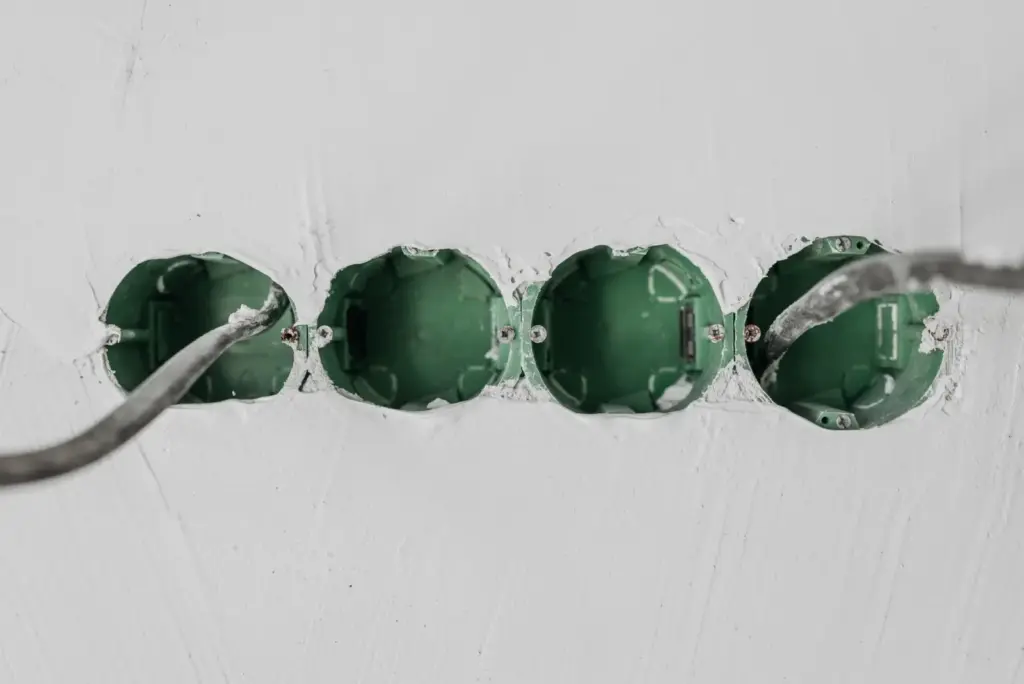
Several variables influence the final price. The biggest factor is the distance from your main electrical panel to the installation location. Longer runs require more copper wire and conduit, which increases material costs. The condition of your existing panel also matters. An older panel may lack space for a new breaker or may need an upgrade to handle the additional load.
Labor rates vary by region. Licensed electricians typically charge between $50 and $150 per hour. A straightforward installation near the panel might take two to three hours, while a complex run through a finished basement or crawl space could take a full day. Permit fees add another $50 to $200 depending on your local jurisdiction. Read also: Cost to Upgrade Electrical Panel to 200 Amps: Full Guide 2026 if your panel needs an upgrade.
Breaker and Outlet Type
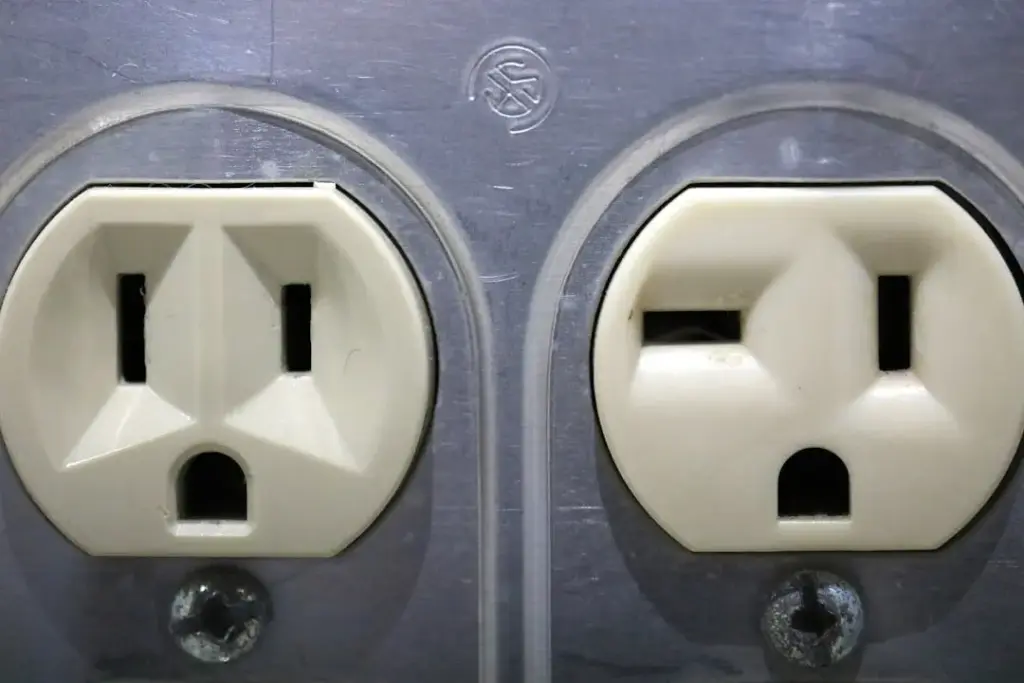
Not all 50-amp outlets are the same. RV outlets use a NEMA 14-50R configuration, which is the same type used for electric ranges. A quality outlet costs between $15 and $40. The breaker itself is a double-pole 50-amp breaker, typically priced between $15 and $30. Using a GFCI breaker is recommended for outdoor installations and adds roughly $50 to $80 to the cost.
Wire Gauge and Material
For a 50-amp circuit, you need 6-gauge copper wire. Copper prices have been volatile, so wire costs can shift. Expect to pay $1.50 to $3.00 per foot for the wire alone. A 30-foot run might cost $45 to $90 for wire. Conduit and fittings add another $20 to $40. If you need to run cable underground, you will need UF-B cable or conduit-rated THHN wire, which costs slightly more.
Outdoor vs. Indoor Installation
An outlet mounted on an exterior wall requires a weatherproof cover and possibly a small enclosure. This adds $20 to $60 for the box and cover. Indoor installations in a garage are simpler and usually cheaper. However, if you plan to park your RV outside, you need the outlet to be accessible and weather-resistant. Many homeowners choose to install a pedestal or post-mounted outlet for convenience.
Cost Breakdown: DIY vs. Professional Installation
| Installation Type | Labor Cost Range | Material Cost Range | Permit Cost | Best For | Total Estimated Cost |
|---|---|---|---|---|---|
| Basic DIY (near panel) | $0 | $100 – $200 | $0 – $100 | Experienced DIYers with electrical knowledge | $100 – $300 |
| Professional Install (near panel) | $150 – $300 | $120 – $250 | $50 – $200 | Homeowners wanting safety and code compliance | $320 – $750 |
| Professional Install (long run) | $400 – $800 | $250 – $500 | $50 – $200 | Installation far from main panel | $700 – $1,500 |
| Full Panel Upgrade + Outlet | $500 – $1,000 | $400 – $800 | $100 – $300 | Older homes with insufficient panel capacity | $1,000 – $2,100 |
The table above shows the wide range of possible costs. A simple DIY install near the panel may cost under $300, while a full professional job with a panel upgrade can exceed $2,000. Your specific situation will determine where you fall on this spectrum.
Four Methods to Get a 50 Amp RV Outlet at Home
We have identified four common approaches to installing a 50-amp RV outlet. Each method suits different skill levels, budgets, and property layouts.
1. DIY Installation Near the Main Panel
Overview: This is the most affordable route. You mount the outlet on an exterior wall directly behind your main panel. The short wire run keeps material costs low, and you save all labor fees.
Features: Requires a NEMA 14-50R outlet, a 50-amp double-pole breaker, 6-gauge NM-B or THHN wire, and a weatherproof box. You also need basic tools like wire strippers, screwdrivers, and a voltage tester.
Pricing: Materials cost $100 to $200. A permit, if required by your local code, adds $50 to $100.
Advantages:
- Lowest total cost
- Full control over materials and quality
- Can be completed in an afternoon
Disadvantages:
- Requires electrical knowledge and comfort working in the panel
- No warranty or insurance if something goes wrong
- Must pass inspection if permit is pulled
Best For: Homeowners with basic electrical experience who have a panel located on an exterior wall.
User Experience: Many DIYers report that the hardest part is routing the wire through the wall and connecting the breaker without damaging the panel bus bars. Most find the project manageable with careful planning.
Expert Opinion: Electricians generally advise against DIY electrical work unless you have formal training. Mistakes can cause fires or electrocution. If you choose this route, watch multiple tutorials and turn off the main breaker before starting.
2. Professional Installation Near the Panel
Overview: You hire a licensed electrician to install the outlet on a wall close to your panel. This is the most popular option for homeowners who value safety and code compliance.
Features: The electrician handles permit filing, material selection, and installation. They will also test the circuit under load to ensure it delivers 50 amps properly.
Pricing: Labor runs $150 to $300 for a two- to three-hour job. Materials add $120 to $250. Permit fees are extra. Total range: $320 to $750.
Advantages:
- Professional work meets local code
- Warranty on labor and materials
- Inspected and safe
Disadvantages:
- Higher upfront cost than DIY
- Need to schedule and coordinate with electrician
Best For: Homeowners who want a safe, hassle-free installation with proper documentation.
User Experience: Most customers are satisfied with the speed and professionalism. Complaints typically involve scheduling delays or small misunderstandings about outlet placement.
Expert Opinion: This is the recommended approach for most people. The cost is reasonable, and the peace of mind is worth the premium over DIY.
3. Professional Installation with a Long Cable Run
Overview: Your panel is in the basement or a far corner of the house, and you want the outlet on the opposite side of the driveway or in the backyard. This requires running cable through walls, under floors, or underground.
Features: The electrician may need to fish wire through finished walls, trench underground, or use conduit along exterior walls. The longer the run, the more expensive the material and labor.
Pricing: Labor ranges from $400 to $800. Wire and conduit for a 50-foot run cost $250 to $500. Permit fees add $50 to $200. Total: $700 to $1,500.
Advantages:
- Place the outlet exactly where you need it
- Professional handling of complex routing
- Includes all necessary trenching or drilling
Disadvantages:
- Significantly higher cost
- May require drywall repair or landscaping restoration
Best For: Homeowners with panels far from the parking area, or those who need an outlet in a detached garage or backyard.
User Experience: Customers are often surprised by the total cost, especially when trenching is required. Planning ahead and bundling this work with other electrical projects can save money.
Expert Opinion: Get at least three quotes for long runs. Prices vary widely between electricians. Consider running a 50-amp subpanel to a garage if you plan to add more circuits later. Read also: DIY Smart Home Installation Guide for Beginners Step by Step for tips on running low-voltage wiring alongside power cables.
4. Full Panel Upgrade with 50 Amp Outlet
Overview: Your existing electrical panel is outdated, has no space for a new breaker, or cannot handle an additional 50-amp load. An upgrade to a 200-amp panel is necessary before adding the RV outlet.
Features: This involves replacing the main panel, installing a new 200-amp service, running new feeders, and then adding the 50-amp breaker and outlet.
Pricing: Panel upgrade labor plus materials costs $500 to $1,000. The RV outlet portion adds another $400 to $800. Total: $1,000 to $2,100.
Advantages:
- Modern panel with room for future circuits
- Increased capacity for other high-draw appliances
- Full code compliance and safety
Disadvantages:
- Highest total cost
- May require utility company coordination and a temporary power outage
Best For: Older homes with 60-amp or 100-amp service that cannot support a 50-amp RV circuit.
User Experience: Homeowners often combine a panel upgrade with other electrical improvements, like adding a generator transfer switch or upgrading lighting. The downtime is usually one full day.
Expert Opinion: If your panel is more than 25 years old, upgrading to 200 amps is a smart investment. It increases your home’s value and future-proofs your electrical system.
Detailed Comparisons of Installation Scenarios
Best Overall – Professional Near-Panel Installation: This strikes the ideal balance between cost, safety, and convenience. For $320 to $750, you get a code-compliant installation with a warranty. It is the right choice for the vast majority of homeowners.
Best Value – DIY Near-Panel Installation: If you have the skills, this method saves the most money. The total cost can be as low as $100 plus your time. The trade-off is the risk of electrical mistakes and no professional oversight.
Best Budget Choice – DIY with a Permit: This combines the low material cost of DIY with the safety of an inspection. You still do the work, but the permit ensures your installation meets code. Total cost: $150 to $300.
Best Premium Choice – Professional Long Run with Trenching: For large properties where the panel is far from the parking area, paying for a professional long run is the only reliable option. The cost is high, but the result is a durable, outdoor-rated outlet that will last decades.
Most Reliable – Professional Full Panel Upgrade: When your home’s electrical system cannot handle the load, a full upgrade is the most reliable path. It eliminates the risk of tripping breakers or overloading old wiring. Total cost: $1,000 to $2,100.
Easiest to Use – Post-Mounted Pedestal Installation: Some homeowners prefer a freestanding pedestal next to the RV parking pad. This adds $200 to $400 for the pedestal kit and installation, but it makes plugging in very convenient and keeps the outlet off the house wall.
Detailed Guide: What to Look for When Installing a 50 Amp RV Outlet
Important Features
Look for a NEMA 14-50R receptacle rated for 50 amps and 125/250 volts. The outlet should be listed by UL or ETL for safety. An outdoor rated enclosure with a weatherproof cover is essential if the outlet is exposed to rain or snow. For indoor installations, a standard metal or plastic box is sufficient.
Pricing Factors
The biggest cost driver is the distance from the panel. Each additional 10 feet of wire adds roughly $15 to $30 in material. If you need to trench through a concrete driveway or dig through rocky soil, expect labor costs to double. The type of wall finish also matters — drywall is easier to work with than brick or stone.
Hidden Costs
Permits and inspection fees are often forgotten. Some municipalities require an electrical permit for any new circuit. If you hire an unlicensed handyman and fail inspection, you may have to pay a licensed electrician to fix the work. Another hidden cost is repairing drywall, siding, or landscaping after the electrician finishes.
Tips for Choosing Wisely
- Get three quotes from licensed electricians. Compare itemized estimates.
- Ask about trenching costs upfront if the outlet location is far from the panel.
- Consider installing a larger subpanel if you plan to add more circuits later.
- Use a GFCI breaker for outdoor outlets to meet modern code requirements.
- Do not use aluminum wire. Stick with copper for reliability.
Planning your smart home upgrades together can save on electrician travel fees. Read also: Best Smart Smoke Detector and Carbon Monoxide Alarm Combo for 2026 if you want to add safety devices during the same visit.
Frequently Asked Questions
Can I install a 50 amp RV outlet myself?
Yes, if you have electrical experience and understand local codes. You will need to pull a permit in most areas. The work involves running 6-gauge wire, installing a double-pole 50-amp breaker, and mounting a NEMA 14-50R outlet. If you are not comfortable working inside a live panel, hire a professional.
Do I need a permit to install an RV outlet?
Most municipalities require a permit for new electrical circuits. The permit ensures the work is inspected for safety. Skipping the permit can cause problems when selling your home or if an insurance claim arises. Fees typically range from $50 to $200.
What gauge wire do I need for a 50 amp RV outlet?
You need 6-gauge copper wire. For a 50-amp circuit, 6 AWG is the minimum size according to the National Electrical Code. If the run is very long, you may need to upsize to 4 AWG to prevent voltage drop. Always check local codes for specific requirements.
Can I plug my RV into a dryer outlet?
No. Dryer outlets are typically 30 amps with a different configuration (NEMA 10-30 or 14-30). Plugging your RV into a 30-amp dryer outlet can overload the circuit and cause a fire. You need a dedicated 50-amp circuit with a NEMA 14-50R outlet for most modern RVs.
How much does an electrician charge for a 50 amp outlet?
Licensed electricians charge $50 to $150 per hour. For a simple installation near the panel, expect a two- to three-hour job, totaling $150 to $300 in labor. For longer runs or panel upgrades, labor can reach $500 to $1,000. Always ask for a fixed quote before work begins.
Is a GFCI breaker required for an outdoor RV outlet?
Yes. The National Electrical Code now requires GFCI protection for all outdoor receptacles rated 50 amps or less. A GFCI breaker costs $50 to $80 more than a standard breaker but adds critical protection against electrical shock in wet conditions.
Can I use a 50 amp RV outlet for other equipment?
Yes. A NEMA 14-50R outlet is commonly used for electric vehicle chargers, welders, and large power tools. However, you must ensure the connected device does not exceed 50 amps. The outlet and breaker are rated for 50 amps continuous, so any device drawing 50 amps or less is safe.
Final Recommendations
Best Overall: Professional near-panel installation. It costs $320 to $750, includes a warranty, and ensures code compliance. This is the safest and most practical choice for the average homeowner.
Best Value: DIY near-panel installation with a permit. You save on labor while still getting an inspected, code-compliant outlet. Total cost ranges from $150 to $300.
Best Premium Option: Professional full panel upgrade to 200 amps plus the RV outlet. This is a long-term investment for older homes. The total cost of $1,000 to $2,100 includes a modern electrical system and future capacity.
Best Beginner Choice: Professional near-panel installation. Beginners should not attempt electrical work. Hiring a pro removes all risk and provides a trouble-free experience for a modest premium.
Best for Advanced Users: DIY near-panel installation with a permit. Advanced DIYers can complete the job in a few hours for under $300. The permit ensures the work is safe and up to code.
The cost to install 50 amp rv outlet at home will vary based on your specific situation, but with this guide, you now have the knowledge to make an informed decision. Plan your project carefully, get multiple quotes, and prioritize safety above all else.
