If your older home still runs on a 60‑amp electrical service, you already know the struggle. Lights dim when the microwave runs, the breaker trips if you plug in a space heater, and adding a new appliance feels impossible. You need more power, but the big question is budget. One of the most common questions we hear is how much to upgrade electrical service from 60 to 100 amps. The answer isn’t a single number — it depends on your location, the condition of your existing wiring, and the brand of panel you choose. In this guide, we’ll break down every cost factor, compare the best panel brands, and give you the tools to make a smart, safe decision.
Let’s start by looking at what the upgrade actually involves.
Understanding the 60 to 100 Amp Service Upgrade
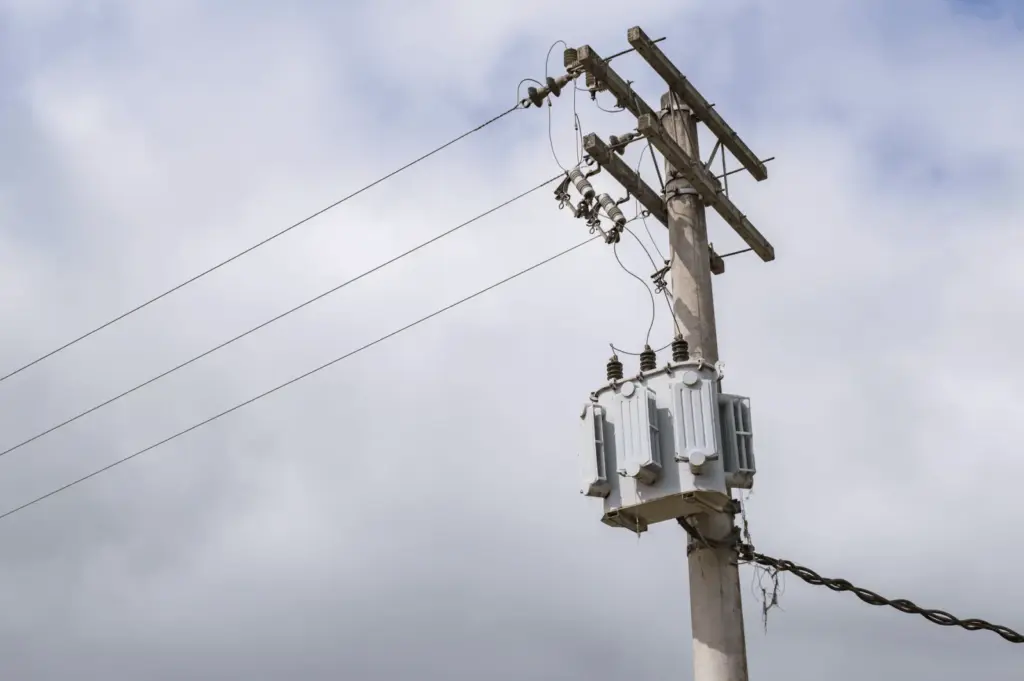
Upgrading from 60 to 100 amps means replacing the main service panel, the service entrance cable (the wire from the utility pole to your house), and often the meter base and grounding system. A 60‑amp panel typically has only four to six breaker slots, while a 100‑amp panel provides 20 to 30 slots — plenty for modern homes.
This upgrade is not a simple swap. The electrician must disconnect utility power (coordinate with your power company), run new cable, install a new meter socket if needed, drive new grounding rods, and ensure everything meets current National Electrical Code (NEC) requirements. Many older homes also have outdated wiring like knob and tube, which must be replaced before the panel upgrade. Read also: How Much to Replace Old Knob and Tube Wiring: 2026 Cost Guide
The result: a safer, more reliable electrical system that can handle modern appliances, electronics, and even a future electric vehicle charger or home office setup.
Factors That Influence the Upgrade Cost
The total price ranges widely because several variables come into play. Here are the most important ones:
- Labor rates in your area: Electricians charge $50–$130 per hour. Some offer flat‑rate quotes for a full service upgrade — typically $1,500–$3,500.
- Permit and inspection fees: Most municipalities require a permit (usually $100–$500). Skipping it is risky and can void insurance.
- Panel brand and capacity: A basic 100‑amp panel costs $100–$250, while a premium model with more bus bars or surge protection runs $250–$500.
- Service entrance cable: Aluminum cable is cheaper than copper, but copper is more reliable. Expect $200–$600 for the cable run.
- Meter base replacement: If the utility requires a new meter socket, add $150–$400.
- Grounding upgrades: Two grounding rods and bonding clamps cost $100–$300 installed.
- Existing wiring condition: If your home has old cloth‑insulated or knob‑and‑tube wiring, you may need to rewire some circuits first — this can add $2,000–$8,000.
Average Cost Breakdown
To give you a clearer picture, here’s a comparison table of typical upgrades from 60 to 100 amps. Costs assume a single‑family home with easy access and no major rewiring needed.
| Upgrade Scope | Panel Brand Example | Material Cost | Labor Cost | Total Estimate | Best For |
|---|---|---|---|---|---|
| Basic – Standard panel, aluminum cable, basic meter base | Eaton BR | $300–$500 | $1,200–$1,800 | $1,500–$2,300 | Budget‑conscious homeowners |
| Mid‑Range – Copper cable, better panel, surge protection | Square D Homeline | $500–$800 | $1,500–$2,500 | $2,000–$3,300 | Average reliability & future‑proofing |
| Premium – High‑end panel, copper cable, new meter & outdoor disconnects | Square D QO | $700–$1,200 | $2,000–$3,000 | $2,700–$4,200 | Homeowners wanting top quality & expandability |
These numbers are national averages. In high‑cost regions like California or New York, add 20–30%. Always get at least three quotes from licensed electricians.
Best Electrical Panel Brands for a 60 to 100 Amp Upgrade
Choosing the right panel is critical. Below we compare the top five brands commonly used for residential service upgrades. Each one has its own strengths and price point.
1. Square D Homeline
Overview: Homeline is Square D’s value line, designed for builders and homeowners who want reliable performance without paying for extra features. It uses a standard plug‑on neutral design, making installation faster.
Features: 100‑amp main breaker, 20–30 spaces, plug‑on neutral for AFCI/GFCI breakers, copper bus bars, UL listed.
Pricing: $100–$180 for the panel alone. A complete upgrade using Homeline usually falls in the mid‑range cost column above.
Advantages:
- Very affordable
- Widely available at home centers
- Simple installation for electricians
- Good compatibility with Square D breakers
Disadvantages:
- No “high‑end” bus bar plating (tin‑plated copper is standard)
- Limited surge protection options integrated
Best For: Homeowners who need a reliable upgrade on a moderate budget and don’t require industrial‑grade components.
User Experience: Most customers report that Homeline panels fit standard wiring and are easy to work with. Electricians often recommend them for cost‑sensitive jobs.
Expert Opinion: Homeline is a solid choice for a 60‑to‑100‑amp upgrade if you plan to stay in the home for 5–10 years. It meets all code requirements and offers good value, though the bus bar is less corrosion‑resistant than premium models.
2. Square D QO
Overview: Square D QO is the premium residential panel. Known for its distinctive “QO” design with a trip indicator (a red flag that shows when a breaker has tripped), it’s a favorite among electricians and homeowners who want the best.
Features: 100‑amp main, 20–30 spaces, tin‑plated copper bus bars for lower resistance, Visi‑Trip indicator, plug‑on neutral, high short‑circuit rating.
Pricing: $200–$350 for the panel. Installed upgrade cost is at the premium end of the table.
Advantages:
- Superior bus bar conductivity
- Visi‑Trip makes troubleshooting fast
- Higher quality construction and longer lifespan
- Excellent surge protection add‑ons available
Disadvantages:
- More expensive upfront
- Breaker availability can be slightly lower than Homeline
Best For: Homeowners who want the highest reliability, plan to stay in their home long‑term, or need to support sensitive electronics (like a home office or smart home hub).
User Experience: Electricians often praise QO for its solid feel and easy wiring. Homeowners appreciate the clear trip indication and the peace of mind that comes with a premium product.
Expert Opinion: If your budget allows, QO is the best overall choice for a 100‑amp service upgrade. The tin‑plated copper bus bars resist corrosion and reduce heat buildup, which matters in a panel that will last 30+ years.
3. Eaton BR
Overview: Eaton BR is the standard “builder” panel — millions of new homes use them. It’s economical, easy to find, and compatible with many aftermarket breakers.
Features: 100‑amp main, 20–30 spaces, steel enclosure, copper or aluminum bus bars (model dependent), UL listed.
Pricing: $80–$150 for the panel. Total upgrade cost aligns with the basic column in the table.
Advantages:
- Lowest cost among major brands
- Widely available at hardware stores
- Works with Eaton and many generic breakers
- Simple design, easy to service
Disadvantages:
- Bus bars are not plated (can corrode in damp basements)
- Limited expansion options for future circuits
- Some electricians consider it “entry‑level”
Best For: Budget upgrades where the home will be sold soon, or for rental properties where cost is the primary concern.
User Experience: Homeowners on a tight budget often choose Eaton BR and report no issues for basic loads. However, electricians note that the bus bar can develop oxidation in humid environments.
Expert Opinion: Eaton BR is acceptable for a 60‑to‑100‑amp upgrade as long as your home has a dry location and you don’t plan heavy future expansion. It’s not the best for long‑term durability but gets the job done safely.
4. Siemens PL Series
Overview: Siemens PL (Powerline) panels are a mid‑range option with a strong reputation in commercial applications. They offer a clean interior design and dual‑neutral lugs for easy wiring.
Features: 100‑amp main, 16–30 spaces, copper bus bars, main lug or main breaker configurations, easy‑wire neutral/ground bars.
Pricing: $120–$200 for the panel. Installed cost sits between basic and mid‑range.
Advantages:
- Neat, well‑organized interior
- Compatible with Siemens and ITE breakers
- Good customer support
- Copper bus bars standard
Disadvantages:
- Less common in residential than Square D or Eaton
- Breaker selection may be limited in some stores
Best For: Homeowners who want a quality panel but prefer a less mainstream brand that electricians who work on commercial projects are familiar with.
User Experience: Electricians who use Siemens panels often compliment the layout. Homeowners generally don’t notice a difference from other brands, but reliability is reported as good.
Expert Opinion: Siemens PL is a very capable panel for a 100‑amp upgrade. It’s not the cheapest or the most premium, but it offers a solid balance of features and price.
5. GE PowerMark Gold
Overview: General Electric’s PowerMark Gold line is designed for residential use and is often found in builder‑grade homes. It’s a reliable, no‑frills panel.
Features: 100‑amp main, 20–30 spaces, copper bus bars, plug‑on neutral (newer models), UL listed.
Pricing: $90–$160 for the panel. Total upgrade cost is similar to Eaton BR.
Advantages:
- Affordable
- Copper bus bars (not all models)
- Widely available
- Good for straightforward upgrades
Disadvantages:
- Some older models used aluminum bus bars – check before buying
- Breaker compatibility can be confusing (GE breaker types vary)
- Less expansion space than premium models
Best For: Basic replacement when you have GE breakers already and want to keep compatibility.
User Experience: Many homeowners use GE panels with no complaints. Electricians sometimes prefer other brands for larger upgrades, but GE works fine for a 100‑amp service.
Expert Opinion: GE PowerMark Gold is a perfectly acceptable choice for a 60‑to‑100‑amp upgrade, but ensure you get a current model with copper bus bars. It’s not a premium product, but it meets code and is affordable.
What to Expect During a 60 to 100 Amp Service Upgrade
Knowing the process helps you prepare and spot potential hidden costs. Here’s a typical step‑by‑step sequence:
- Permit and utility notification. Your electrician pulls a permit and notifies the power company. This can take a few days.
- Power shutdown. The utility disconnects your service (usually during business hours). You’ll be without power for 4–8 hours.
- Remove old panel and meter base. The electrician disconnects all circuits, removes the old 60‑amp panel, and takes out the old meter socket if needed.
- Install new service cable. This runs from the utility’s connection point to the new meter and panel. If the cable needs to be buried, trenching costs extra.
- Install new meter base and panel. The panel is mounted, grounded, and bonded. Grounding rods are driven and connected.
- Connect circuits. Each existing circuit is re‑connected to a new breaker in the new panel. This is where old wiring problems often appear.
- Inspection. The local building department inspects the work. If everything passes, the utility reconnects power.
One common hidden cost: upgrading the weatherhead (the point where the overhead cable enters the house). If your existing weatherhead is too small for the new cable, expect $150–$350 extra. Also, if your home still has old knob‑and‑tube wiring, you may need to rewire those circuits first. Read also: How Much to Replace Old Knob and Tube Wiring: 2026 Cost Guide
Tips for Choosing the Right Electrician and Saving Money
Hiring a qualified electrician is the most important step. Here’s how to get good value without cutting corners:
- Get at least three quotes. Prices can vary by 40% for the same scope of work. Ask for itemized breakdowns of materials, labor, and permit fees.
- Verify license and insurance. Unlicensed “handyman” work may be cheaper but can void your home insurance and fail inspection.
- Ask about “bundle” pricing. Some electricians offer a flat rate for a full service upgrade, which can be cheaper than hourly billing if the job is straightforward.
- Plan ahead for future loads. If you might add an EV charger, central air, or a home addition later, consider upgrading to 200 amps now. The additional cost is often only $500–$1,000 more compared to doing two upgrades later. Read also: Cost to Upgrade Electrical Panel to 200 Amps: Full Guide 2026
- Improve access. Clear storage away from the panel area and meter. Easy access lowers labor time.
- Consider DIY for non‑electrical prep. You can save a few hundred dollars by doing things like trenching for underground cable (if allowed by local code) or removing old panel debris yourself — but never touch live wires.
Frequently Asked Questions
How much to upgrade electrical service from 60 to 100 amps?
The total cost typically ranges from $1,500 to $4,200, depending on panel brand, labor rates, and whether any rewiring is needed. The national average is around $2,500 for a straightforward upgrade with a mid‑range panel.
Can I do a 60 to 100 amp upgrade myself?
In most places, electrical panel upgrades require a licensed electrician and a permit. Doing it yourself is dangerous (risk of fire or electrocution) and illegal without proper credentials. Even if you are handy, you must coordinate with the utility company and pass an inspection — a job best left to professionals.
How long does a 60 to 100 amp service upgrade take?
Most upgrades are completed in 4–8 hours of on‑site work, plus waiting time for the utility to disconnect and reconnect power. Including permit processing and inspection, the whole process can take 2–5 days.
Do I need to replace my meter base when upgrading to 100 amps?
Often yes. The meter socket must be rated for at least 100 amps. If your current meter base is older or rated for only 60 amps, the utility will likely require a new one. Budget an extra $150–$400 for this.
Will upgrading to 100 amps eliminate breaker trips?
Yes, in most cases. A 60‑amp service is easily overloaded by modern appliances. A 100‑amp service provides enough capacity for a typical 2–3 bedroom home, so breakers should only trip if a specific circuit is overloaded (like too many devices on one outlet).
Is 100 amps enough for an electric car charger?
100 amps is borderline. You can install a Level 2 EV charger (typically 30–50 amps), but it will use most of your spare capacity. If you also run central air, electric range, and other heavy loads simultaneously, you may need to upgrade to 200 amps. Many homeowners choose 200 amps from the start if they plan to own an EV.
What happens if my wiring is knob and tube?
Knob‑and‑tube wiring is not compatible with modern panels because it lacks a ground wire and cannot handle the amperage. An electrician will need to replace those circuits with modern Romex cable before or during the panel upgrade. This adds significant cost, often $2,000–$8,000 depending on the number of circuits.
Conclusion
Upgrading from 60 to 100 amps is one of the best investments you can make in an older home. It increases safety, eliminates frustrating power issues, and allows you to use modern appliances and smart devices. The how much to upgrade electrical service from 60 to 100 amps question has a wide price range — typically $1,500–$4,200 — but the peace of mind and added home value are well worth the cost.
For most homeowners, we recommend the Square D Homeline panel as the best overall value, offering reliable performance at a moderate price. If you want the most durable, long‑lasting system, go with Square D QO (best premium option). For tight budgets, the Eaton BR panel provides safe, code‑compliant service at the lowest cost. Beginners (first‑time homeowners) will appreciate the easy‑to‑find parts and simple design of GE PowerMark Gold. Advanced users planning heavy future expansion should consider the Siemens PL Series or upgrade to 200 amps right away.
Whichever route you choose, always work with a licensed, insured electrician, pull the necessary permits, and plan for hidden costs like old wiring or meter base replacement. Your home — and your appliances — will thank you.
