If you’re shopping for new siding, you’ve probably heard that thicker vinyl lasts longer. But with numbers like 0.042, 0.048, and 0.050 being thrown around, it’s easy to feel lost. You want a home that looks great and stands up to wind, hail, and everyday bumps without cracking or sagging. The question what gauge vinyl siding is best for durability isn’t just about picking the biggest number — it’s about balancing strength, budget, and your local climate. In this guide, we’ll break down every common gauge, explain what each thickness offers, and give you the facts you need to make a confident choice. Let’s cut through the marketing noise and find the siding that will protect your home for decades.
Understanding Vinyl Siding Gauge and Thickness
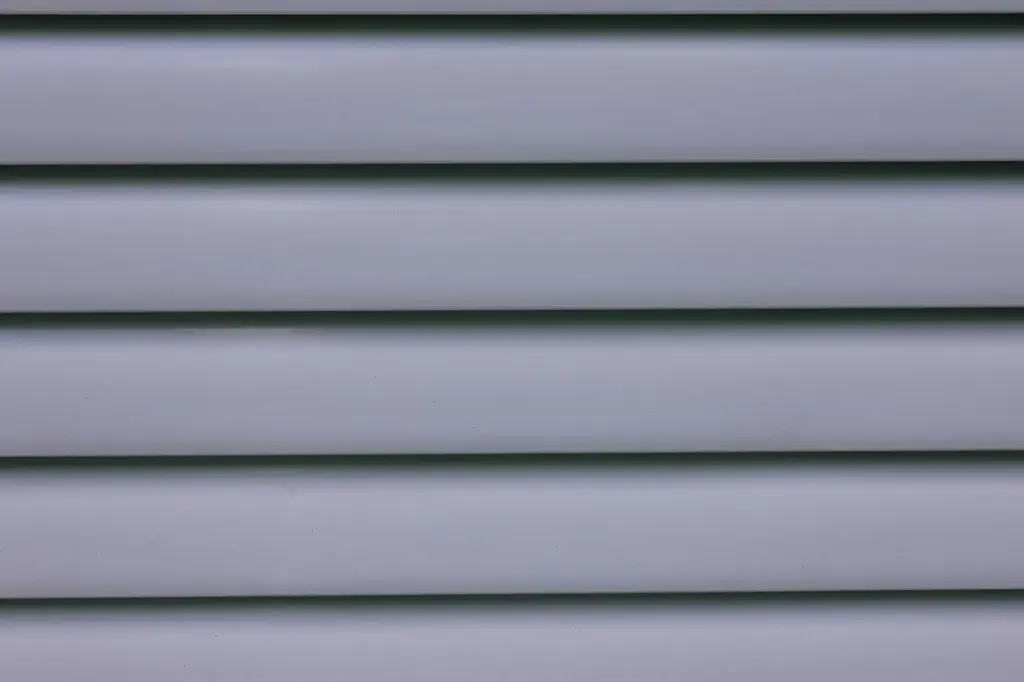
In the vinyl siding world, “gauge” is simply the thickness of the panel measured in thousandths of an inch. A higher gauge number means a thicker panel, which directly impacts durability, rigidity, and resistance to impact. The most common residential gauges are 0.040″, 0.042″, 0.044″, 0.046″, 0.048″, and 0.050″. Thinner options (0.040″–0.042″) are often used for mobile homes or budget builds, while thicker options (0.048″–0.050″) are preferred for custom homes and areas prone to severe weather. Keep in mind that “gauge” isn’t the only factor — the quality of the vinyl compound and the design of the locking system also matter. But thickness is the easiest starting point.
Before you dive into the best options, consider how your current siding might affect your budget. If you are replacing old siding, the removal costs can add up quickly. Read also: Cost to Remove Old Vinyl Siding and Replace – Full 2026 Pricing Guide
Vinyl Siding Gauge Comparison Table
Use this table to quickly compare the most common vinyl siding gauges by thickness, typical use, durability, and price range.
| Gauge | Thickness (inches) | Typical Use | Durability Rating | Price per Sq. Ft. (Material) |
|---|---|---|---|---|
| 0.040″ | 0.040 | Mobile homes, temporary structures, extreme budget | Low – easily dented, prone to warping | $1.00 – $1.50 |
| 0.042″ | 0.042 | Standard residential, entry-level homes | Moderate – adequate for mild climates | $1.50 – $2.00 |
| 0.044″ | 0.044 | Mid-range residential, some builder-grade | Good – better impact resistance | $2.00 – $2.50 |
| 0.046″ | 0.046 | Better residential, light commercial | Very good – resists dents and moderate wind | $2.50 – $3.00 |
| 0.048″ | 0.048 | Premium residential, high wind areas | Excellent – strong, long-lasting | $3.00 – $3.50 |
| 0.050″ | 0.050 | Top-tier custom homes, coastal / storm zones | Superior – maximum durability | $3.50 – $5.00 |
If you live in a coastal area with salt spray and high winds, you need extra protection beyond just thickness. Read also: Best Weather Resistant Vinyl Siding for Coastal Areas (2026)
Best Vinyl Siding Gauge Options for Durability (Numbered List)
Based on durability, value, and real-world performance, here are the top vinyl siding gauge choices available today. Each section covers features, pricing, pros and cons, and who it suits best.
1. 0.050″ Premium Gauge – Best Overall for Maximum Durability
Overview: The 0.050″ gauge is the thickest standard vinyl siding on the market. It’s designed for homeowners who want the strongest possible protection against hail, wind-borne debris, and accidental impacts. Many manufacturers offer this thickness as their “premium” or “architectural” line.
Features:
- Thickness of 0.050 inches provides superior rigidity.
- Advanced locking mechanisms reduce panel separation in high winds.
- Often backed by extended warranties (lifetime or 50-year).
- Available in a wide range of colors and textures, including cedar and wood-grain finishes.
Pricing: Expect to pay $3.50–$5.00 per square foot for material alone. Installation adds $2–$4 per square foot depending on labor rates in your area. This is the most expensive option, but the longevity often offsets the upfront cost.
Advantages:
- Highest dent and impact resistance.
- Less likely to warp or buckle under extreme temperature changes.
- Better insulation value when combined with foam backing.
Disadvantages:
- More expensive than thinner gauges.
- Heavier panels require more care during installation.
- May be overkill in mild climates with no storm risk.
Best For: Homeowners in hurricane-prone regions, areas with frequent hailstorms, or anyone who wants a truly “install it and forget it” siding solution.
User Experience: Most homeowners who choose 0.050″ report satisfaction with its solid feel and lack of visible dents after storms. Some note that the thicker panels can be harder to cut and fit, so professional installation is recommended.
Expert Opinion: From a structural standpoint, 0.050″ vinyl siding offers the best protection for the long term. It’s the gauge we recommend when clients ask for maximum durability, especially on high-exposure walls. The price premium is justified by the reduced risk of repairs and replacement.
2. 0.048″ Premium-Plus – Best Value for Durability
Overview: The 0.048″ gauge is nearly as strong as 0.050″ but costs about 10–20% less. It’s a popular choice for custom homes and renovations where homeowners want excellent durability without paying top dollar.
Features:
- Thickness of 0.048 inches delivers near-premium rigidity.
- Compatible with most standard trim and accessories.
- Often includes color-through technology to hide scratches.
- Many brands offer a limited lifetime warranty.
Pricing: $3.00–$3.50 per square foot for material. Installation costs are similar to 0.050″. Total project cost for a 1,500 sq. ft. home can be $7,500–$10,000.
Advantages:
- Excellent balance of cost and durability.
- Resists dents from ladder leans and lawn equipment.
- Available in a wide variety of colors.
Disadvantages:
- Slightly less impact resistance than 0.050″.
- Not always available in specialty profiles like Dutch lap or shakes.
Best For: The majority of homeowners who want a durable, long-lasting siding without paying for the absolute thickest gauge.
User Experience: Customers often praise 0.048″ for feeling “solid” and “professional.” It’s a common choice among contractors for new builds because it meets code requirements for wind resistance in most areas.
Expert Opinion: 0.048″ hits the sweet spot for most residential applications. It provides enough thickness to handle everyday impacts and moderate storms, yet it remains affordable. For 90% of buyers, this is the gauge we recommend as the default “best value” option.
3. 0.046″ Mid-Range – Best for Moderate Climates
Overview: At 0.046 inches, this gauge offers a noticeable upgrade from standard 0.042″ but still fits a tighter budget. It works well in areas with mild weather where extreme hailstorms or high winds are uncommon.
Features:
- Thicker than builder-grade but lighter than premium options.
- Good resistance to thermal expansion and contraction.
- Often available in popular colors and wood textures.
Pricing: $2.50–$3.00 per square foot for material. Installation costs are on par with other gauges. Total material for 1,500 sq. ft. runs about $3,750–$4,500.
Advantages:
- Better durability than standard 0.042″.
- More affordable than 0.048″ and 0.050″.
- Available from many national brands.
Disadvantages:
- Can still dent from hard impacts (e.g., baseballs, hail).
- Not ideal for hurricane or tornado zones.
Best For: Homeowners in the Midwest or other regions with moderate weather who want something better than builder-grade but don’t need maximum protection.
User Experience: Many buyers find 0.046″ to be a good middle ground. It feels more substantial than standard siding but doesn’t break the budget. Common feedback is that it installs similarly to thinner gauges, making it a DIY-friendly option.
Expert Opinion: 0.046″ is a solid choice if you are working with a limited budget but still want a noticeable improvement in strength. However, if you are planning to stay in your home for more than 15 years, spending slightly more on 0.048″ is usually a better investment.
4. 0.042″ Standard – Best Budget Option for Durability
Overview: The 0.042″ gauge is the most common vinyl siding used in builder-grade homes. It meets minimum building code requirements in most areas and is widely available. While not the most durable, it can still last 20–30 years with proper care.
Features:
- Thickness of 0.042 inches is the industry baseline.
- Lightweight and easy to install, even for DIYers.
- Lowest material cost among gauges commonly sold.
Pricing: $1.50–$2.00 per square foot. Total material for 1,500 sq. ft. can be as low as $2,250. Installation adds another $1,500–$3,000.
Advantages:
- Most affordable option.
- Widely stocked at home improvement stores.
- Easy to cut and handle for DIY projects.
Disadvantages:
- Prone to dents from hail, lawn mowers, and sports equipment.
- Can warp or buckle in extreme heat.
- Limited color and profile choices compared to thicker lines.
Best For: Budget-conscious homeowners, rental properties, or temporary structures where absolute durability is not a priority.
User Experience: Many users on a tight budget appreciate the low upfront cost. However, complaints about denting and fading are common after a few years. It’s a “you get what you pay for” product.
Expert Opinion: 0.042″ works fine in protected areas with no storm risk. But if you invest in your home’s appearance and resale value, we strongly encourage upgrading to at least 0.044″ or 0.046″. The small extra cost pays off in fewer repairs and better curb appeal. Read also: Does Vinyl Siding Increase Home Value for Resale? A Data‑Driven 2026 Guide
5. 0.040″ Economy Gauge – Not Recommended for Durability
Overview: At 0.040″, this is the thinnest vinyl siding still sold for residential use. It is typically used on mobile homes or very low-cost projects. It offers the least protection and is not considered a durable option for permanent homes.
Features:
- Extremely lightweight and flexible.
- Minimal resistance to impact and wind.
- Often sold in limited color ranges.
Pricing: $1.00–$1.50 per square foot. Cheap material, but installation costs are similar to other gauges, so the total may not be as low as expected.
Advantages:
- Lowest material cost.
- Easy to cut and install.
Disadvantages:
- Prone to cracking, denting, and warping.
- Poor wind uplift resistance.
- Short lifespan (10–15 years).
Best For: Only for temporary use, mobile homes, or outbuildings where appearance and longevity don’t matter.
User Experience: Negative feedback is frequent. Homeowners who chose 0.040″ often regret it after a few years due to visible damage and fading. Many end up replacing it sooner than expected.
Expert Opinion: Avoid 0.040″ for any permanent residential application. The savings are not worth the headaches. Even if your budget is tight, a 0.042″ is a much better starting point for durability.
What to Look for When Choosing Vinyl Siding Gauge
Important Features Beyond Thickness
While gauge is critical, it’s not the only factor. Look for a “heavy-duty” or “premium” designation that often includes a thicker panel and a stronger locking system. The vinyl compound quality matters too – premium lines use more titanium dioxide for UV resistance and better color retention. Also check whether the siding has a foam backing layer; this adds insulation and helps the panels resist flexing.
Pricing Factors
Material cost is the main driver, but don’t forget trim, J-channel, and accessories. Thicker panels may require heavier-gauge trim pieces, which can add 10–20% to the total. Labor costs vary by region, but thicker siding often requires more experienced installers, which can increase labor rates. Always get at least three quotes.
Hidden Costs
- Permits: Many municipalities require a building permit for siding replacement. Costs range from $50 to $300.
- Old siding removal: Disposal fees can be $200–$500 extra.
- Underlayment repairs: If the existing sheathing is damaged, expect additional charges.
- Color matching: Custom or dark colors may cost more and require special installation to avoid warping.
If you need to budget for repairs or replacement, check the current rates. Read also: Vinyl Siding Repair Cost Per Square Foot: 2026 Pricing Guide
Tips for Choosing Wisely
- Assess your local climate: If you live in a hail belt or near the coast, choose 0.048″ or thicker.
- Consider your home’s exposure: South- and west-facing walls get more UV and heat; thicker panels resist warping.
- Match gauge to warranty: Many manufacturers offer longer warranties on thicker gauges – proof of confidence.
- Think about resale value: Thicker siding is a selling point and can increase home value. Read our data-driven analysis above.
Frequently Asked Questions
What gauge vinyl siding is best for durability?
For the highest durability, choose 0.050″ gauge vinyl siding. It offers the best impact resistance, wind uplift protection, and longevity. If you want a strong but more affordable option, 0.048″ is an excellent second choice.
Is thicker vinyl siding always better?
Generally, yes. Thicker siding resists dents, warping, and wind better. However, installation quality matters just as much. Even the thickest siding can fail if nailed too tightly or poorly aligned. Always hire an experienced installer.
Can I mix different gauges on the same house?
It’s not recommended. Different thicknesses expand and contract at different rates, which can cause buckling and gaps. Stick with one gauge for the entire project to ensure consistent performance and appearance.
How long does 0.050″ vinyl siding last?
With proper installation and maintenance, 0.050″ vinyl siding can last 40–50 years or more. Many manufacturers back it with a lifetime limited warranty. Fading may occur over time, but the structural integrity remains solid.
Does a higher gauge mean higher insulation value?
Not directly. Vinyl siding itself has minimal insulation value (R-value). However, thicker panels often come with foam backing that adds R-2 to R-4. For significant insulation, add a continuous insulation layer underneath the siding.
What is the cheapest gauge that still offers decent durability?
0.042″ is the minimum we recommend for a permanent home. It won’t stand up to severe weather but offers acceptable performance in mild climates. For better durability on a budget, step up to 0.044″ or 0.046″.
Can I install thick vinyl siding myself?
DIY installation is possible, but thicker panels are heavier and harder to cut cleanly. You’ll also need to nail at the correct depth to avoid oil-canning (surface ripples). If you have experience with siding, 0.048″ is manageable. For 0.050″, consider hiring a pro.
Does color affect durability of vinyl siding?
Yes. Dark colors absorb more heat, causing the panels to expand more. Thinner gauges can warp under this stress. Thicker gauges (0.048″–0.050″) handle heat better. If you choose a dark shade, never go below 0.046″.
Final Summary – Our Top Recommendations
Best Overall: 0.050″ gauge vinyl siding – maximum durability and longest lifespan. Ideal for storm-prone areas and homeowners who want the best.
Best Value: 0.048″ gauge – nearly as strong as 0.050″ but at a lower price point. The smart choice for most residential projects.
Best Premium Option: 0.050″ gauge from a top brand like CertainTeed or Mastic – combines thickness with advanced engineering and the best warranties.
Best Beginner Choice: 0.042″ gauge – easy to work with and affordable. Only choose this if you are on a very tight budget and accept lower durability.
Best for Advanced Users: 0.050″ gauge – experienced DIYers can handle it with proper tools, and the result is a professional-grade finish that rivals contractor work.
Remember, the best gauge for you depends on your climate, budget, and long-term plans. By understanding what gauge vinyl siding is best for durability and how each thickness performs, you can confidently choose a product that protects your home and adds value for decades.
