Choosing new siding for your home often comes down to one big question: should you spend more upfront for insulated vinyl siding, or save money now with standard non-insulated panels? The insulated vs non insulated vinyl siding cost difference can range from a few hundred to several thousand dollars depending on your home’s size, location, and the quality of materials you select. This guide breaks down every factor so you can confidently decide which option fits your budget and long-term goals. We’ll cover material prices, installation costs, energy savings, durability, and hidden expenses — all based on current market data.
Insulated vs Non-Insulated Vinyl Siding Cost Difference: What You Need to Know
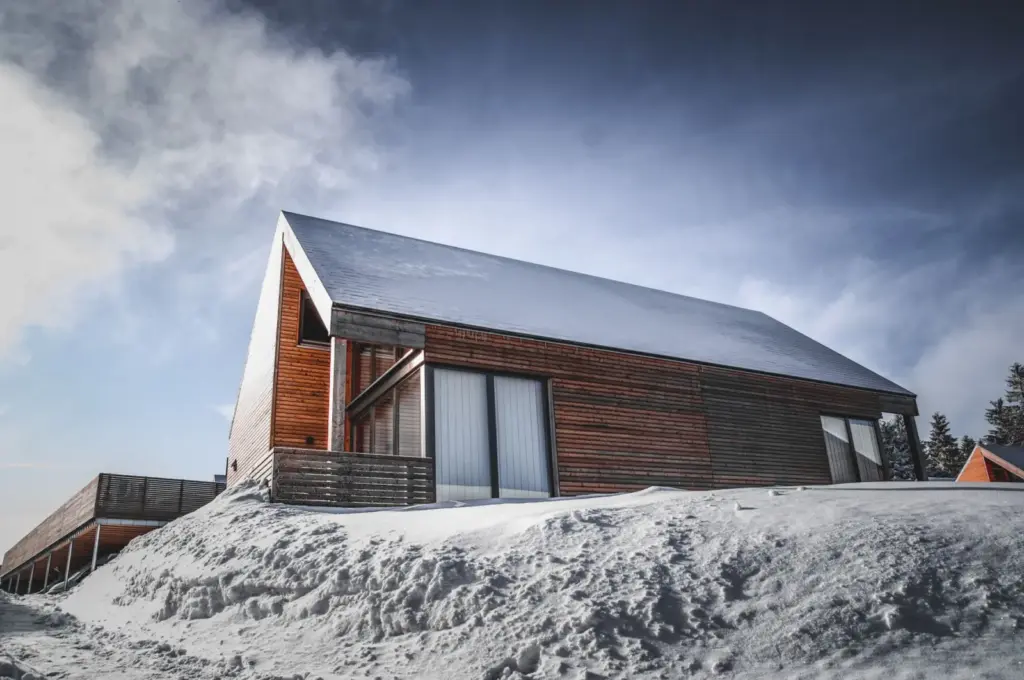
Insulated vinyl siding has a layer of rigid foam (usually expanded polystyrene) bonded to the back of the panel. This foam adds an R-value typically between R‑2 and R‑5, which helps reduce heat transfer through exterior walls. Non‑insulated siding, the traditional style, is a single layer of vinyl without any foam. The main insulated vs non insulated vinyl siding cost difference lies in the material price per square foot, but the total investment also includes installation labor, trim, and potential energy savings over time.
Key Cost Factors
- Material cost: Insulated vinyl siding costs $3.50–$7.00 per square foot, while non‑insulated runs $2.00–$4.50 per square foot.
- Installation labor: Insulated panels are thicker and require more careful handling, adding $0.50–$1.00 per sq ft to labor costs.
- Energy savings: Insulated siding can lower heating and cooling bills by 10–20% in moderate climates, offsetting the higher upfront cost.
- Long-term value: Insulated siding is more rigid and less prone to dents, which may reduce repair costs. Read also: Vinyl Siding Repair Cost Per Square Foot: 2026 Pricing Guide
Side-by-Side Cost Comparison Table
| Factor | Insulated Vinyl Siding | Non-Insulated Vinyl Siding |
|---|---|---|
| Material cost per sq ft | $3.50 – $7.00 | $2.00 – $4.50 |
| Installation cost per sq ft | $4.00 – $7.50 | $3.50 – $6.00 |
| Total cost (1,500 sq ft home) | $8,000 – $14,000 | $5,500 – $10,000 |
| R-Value (thermal resistance) | R‑2 to R‑5 | R‑0.6 (negligible) |
| Annual energy savings (est.) | $100 – $300 | $0 – $50 |
| Lifespan | 30–50 years | 25–40 years |
| Best suited for | Cold climates, energy-conscious owners | Mild climates, tight budgets |
For a more detailed breakdown of installation expenses, Read also: Cost to Install Vinyl Siding on a 1500 sq ft House (2026 Guide).
Top 6 Options: Insulated and Non-Insulated Vinyl Siding Choices
Below are six distinct product types and brand recommendations that represent the best in each category. Each option is evaluated on features, pricing, advantages, and real-world user feedback.
1. Best Overall: Premium Insulated Siding (CertainTeed NorthernStar)
Overview: CertainTeed’s NorthernStar series combines a thick .046″ gauge vinyl with a high‑density foam backing, offering exceptional impact resistance and energy efficiency. It’s one of the most trusted names in home exterior products.
Features: R‑4.0 continuous insulation, 50‑year limited warranty, fade‑resistant color technology, and a “Double 4” Dutch lap profile that gives a classic shadow line.
Pricing: Material costs $5.50–$7.00 per sq ft; total installed price for a 1,500 sq ft home averages $12,000–$14,000.
Advantages:
- Superior energy savings (up to 25% reduction in heat loss)
- Very low maintenance; resists dents and hail damage
- Long lifespan with strong warranty coverage
Disadvantages:
- Higher upfront cost compared to standard insulated options
- Thicker panels may require special cutting tools
Best For: Homeowners in cold climates who want maximum energy efficiency and premium durability.
User Experience: Many buyers report noticeable drop in winter heating bills after installing NorthernStar. The material holds up well against baseballs and small branches. Some note that installation takes slightly longer due to the thickness.
Expert Opinion: CertainTeed NorthernStar is the gold standard for insulated vinyl siding. The R‑4 foam adds real thermal performance that can recoup the extra cost within 5–8 years in northern areas, making it a smart long‑term investment.
2. Best Value: Mid-Grade Insulated Siding (Mastic Structure)
Overview: Mastic (now part of Ply Gem) offers a balanced insulated option with an R‑2.5 foam layer. It’s less expensive than premium brands but still provides meaningful energy savings.
Features: .044″ gauge vinyl, reinforced foam backer, low‑gloss finish, and a 40‑year warranty. Available in 20+ colors.
Pricing: Material cost $4.00–$5.50 per sq ft; total installed cost for 1,500 sq ft around $9,500–$11,500.
Advantages:
- Good insulation without top‑tier price
- Easier to install than very thick panels
- Solid wind resistance (up to 110 mph tested)
Disadvantages:
- Not as impact‑resistant as .046″ gauge options
- Color selection smaller than premium lines
Best For: Homeowners with moderate climates who want noticeable energy savings without overspending.
User Experience: Most users find the siding easy to live with — it doesn’t warp in heat and holds paint well. Some complain about limited color choices for dark hues.
Expert Opinion: Mastic Structure hits the sweet spot for cost vs. benefit. The R‑2.5 is enough to make a difference in heating bills, and the price is only 30–40% more than standard non‑insulated siding.
3. Best Budget Choice: Basic Non-Insulated Vinyl Siding (Georgia-Pacific)
Overview: Georgia‑Pacific’s standard non‑insulated vinyl siding is one of the most affordable options on the market. It’s a single‑layer panel without foam, widely used for new construction and rental properties.
Features: .040″ gauge vinyl, double 4 or double 5 profile, 25‑year warranty, available in 10 basic colors.
Pricing: Material cost $2.00–$3.00 per sq ft; total installed cost for 1,500 sq ft as low as $5,500–$7,000.
Advantages:
- Lowest upfront investment
- Quick to install (typical job done in 2–3 days)
- Easy to repair or replace individual panels
Disadvantages:
- No thermal insulation; can feel cold in winter
- Less impact resistance — dents easily from hail or impacts
- Shorter lifespan than insulated alternatives
Best For: Rental properties, vacation homes, or homeowners on a very tight budget who don’t need energy savings.
User Experience: Buyers appreciate the low cost but many mention that faded color and denting appear after 8–10 years. It’s common to see this siding on garages and sheds.
Expert Opinion: Basic non‑insulated siding is perfectly fine in temperate zones where heating and cooling costs are minimal. However, for most owner‑occupied homes, spending a little extra on a thicker gauge or insulation pays off in comfort and appearance.
4. Best Premium Choice: Triple Layer Insulated Siding (Royal Building Products)
Overview: Royal’s “Triple‑Layer” insulated siding features a stiff .046″ outer vinyl, a high‑density EPS core, and a reflective foil backing that provides up to R‑5.0. It’s designed for extreme weather conditions.
Features: 50‑year warrant, triple‑layer construction, foil‑faced foam that reflects radiant heat, low‑gloss woodgrain texture.
Pricing: Material $6.50–$8.00 per sq ft; installed cost for 1,500 sq ft $13,500–$16,000.
Advantages:
- Maximum energy efficiency (R‑5+ with reflective layer)
- Exceptional wind and impact resistance (tested to 150 mph)
- Luxurious appearance – deep shadow lines, wood grain look
Disadvantages:
- Highest cost; small budget increase may exceed many budgets
- Not widely available in all regions
Best For: High‑value homes in hurricane‑prone or very cold areas where every bit of insulation matters.
User Experience: Owners rave about the solid feel and quiet interior when wind blows. The reflective foil is said to help in hot climates, too. Some contractors complain the panels are heavy and require strong fasteners.
Expert Opinion: Royal’s triple‑layer system is overkill in moderate climates, but if you live in a zone with extreme temperature swings or high winds, the investment is justified by comfort and structural integrity.
5. Most Durable: Heavy-Gauge Non-Insulated (0.046″) – Alside Charter Oak
Overview: Alside’s Charter Oak line uses thick .046″ vinyl without foam — a “thick & rigid” approach that resists dents, warping, and wind better than thinner non‑insulated panels.
Features: .046 gauge, double 4 profile, 40‑year warranty, UV‑stabilized color, built‑in nailing hem for easy installation.
Pricing: Material $3.50–$4.50 per sq ft; installed cost for 1,500 sq ft $7,500–$9,000.
Advantages:
- Nearly as impact‑resistant as some insulated options
- No foam means lighter weight (easier handling)
- Lower price than insulated but much better than budget panels
Disadvantages:
- Still no thermal insulation
- Limited color palette compared to premium brands
Best For: Homeowners who want durability without paying for insulation, especially in mild climates where energy efficiency isn’t a top priority.
User Experience: Many reviews note that Charter Oak holds up well to kids playing baseball and tree branches. It looks crisp for years without fading. The only downside is that it doesn’t reduce noise from outside.
Expert Opinion: Heavy‑gauge non‑insulated siding is an underrated option. It offers the best of both worlds: higher durability than budget siding without the foam premium. Use it if your home already has good wall insulation and you just need a tough exterior skin.
6. Best for Energy Efficiency: Insulated Siding with R‑5+ – (ProVia Endure)
Overview: ProVia’s Endure series uses a proprietary polyurethane foam core that provides R‑5.2, the highest R‑value available in vinyl siding. It’s a premium product with a realistic wood‑grain finish.
Features: .048 gauge vinyl, polyurethane foam (R‑5.2), 50‑year warranty, color‑matched accessories, and a patented lock system that minimizes gaps.
Pricing: Material $7.00–$9.00 per sq ft; total installed cost for 1,500 sq ft $14,000–$17,500.
Advantages:
- Industry‑leading R‑value – reduces energy bills significantly
- Very high impact resistance (tested to 200 ft‑lbs)
- Excellent for both cold and hot climates (insulates both ways)
Disadvantages:
- Expensive – may not be cost‑effective in very mild climes
- Heavy panels require professional installation only
Best For: Energy‑conscious homeowners in extreme climates who want the absolute best performance and are willing to pay a premium.
User Experience: Customers frequently mention that the house stays warmer in winter and cooler in summer after installation. A common remark is that the extra cost was recouped in energy savings within 4–6 years in northern states.
Expert Opinion: ProVia Endure is the top performer if energy efficiency is your #1 goal. The polyurethane foam outperforms polystyrene, and the thicker vinyl adds longevity. It’s a niche product but unbeatable for its purpose.
Detailed Guide: How to Choose Between Insulated and Non-Insulated Vinyl Siding
What to Look For
- Climate zone: In cold regions (USDA zones 4–6), insulated siding provides real year‑round savings. In mild zones (7–10), non‑insulated often suffices.
- Home’s existing insulation: If your walls already have R‑13+ insulation, the siding insulation offers less marginal benefit.
- Budget timeline: Insulated siding costs more upfront, but energy savings can pay it back within 5–10 years.
Important Features
- Gauge (thickness): Thicker vinyl (.044″ or .046″) lasts longer and resists impact, whether insulated or not. Thin .040″ may dent easily.
- Foam type: Expanded polystyrene (EPS) is common; polyurethane offers higher R‑value per inch.
- Warranty: Look for at least 30 years on insulated products, 20+ on non‑insulated.
Pricing Factors
- Square footage of house: Larger homes magnify the cost difference. A 2,500 sq ft house could see a $5,000+ spread.
- Local labor rates: Installation of insulated siding costs 15–25% more per hour because panels are heavier and cuts need precision.
- Trim and accessories: Insulated siding often requires special J‑channels and corner posts, adding $200–$500 to the total.
To understand how the cost of removing old siding fits in, Read also: Cost to Remove Old Vinyl Siding and Replace: Complete 2026 Pricing Guide.
Hidden Costs
- Disposal fees: Removing old siding costs $500–$1,500 depending on landfill rates and hauling distance.
- Sheathing repairs: If you remove old siding, you may discover rotted wood that needs replacing (add $300–$1,000).
- Permits: Some municipalities require a building permit for re‑siding, costing $50–$200.
- Thicker siding may require extension of window and door jambs – a cost that’s often overlooked.
Tips for Choosing Wisely
- Get at least three quotes from local siding contractors, specifying the same material type.
- Ask about energy rebates — some utility companies offer incentives for installing insulated siding.
- Consider the resale value: Insulated siding can increase home value by 2–4% in colder markets. Read also: Does Vinyl Siding Increase Home Value for Resale? A Data‑Driven 2026 Guide
- If you plan to stay in the house less than 5 years, non‑insulated may be more cost‑effective.
Frequently Asked Questions
How much more does insulated vinyl siding cost compared to non-insulated?
On average, insulated vinyl siding costs $1.50–$2.50 more per square foot in materials. Including installation, the total difference for a 1,500 sq ft house ranges from $2,500 to $4,000. The exact gap depends on your chosen brand and local labor rates.
Is insulated vinyl siding worth the extra money?
For homes in colder climates (zones 4 and above), the energy savings often pay back the extra cost within 5–8 years. In mild climates where heating bills are low, the return on investment is longer — sometimes 15 years or more. Consider your local energy prices and how long you’ll stay in the home.
Does insulated vinyl siding reduce noise?
Yes, the foam layer adds a small amount of sound dampening, typically reducing outside noise by 2–4 decibels. It won’t eliminate traffic noise, but many homeowners notice a quieter interior compared to non‑insulated siding. For serious soundproofing, additional wall insulation is needed.
Can I install insulated siding over existing non-insulated siding?
Technically yes, but it’s not recommended. You would need to remove the old siding to inspect the sheathing and avoid moisture entrapment. Installing over old siding can create gaps that allow water and insects to penetrate. Most experts advise a full tear‑off for best results.
Which gauge of non-insulated siding is best for durability?
A .044″ or .046″ gauge is recommended for maximum impact resistance without paying for insulation. These thicker panels resist hail, wind‑driven debris, and accidental bumps much better than .040″ budget panels. For coastal areas, consider .046″ plus a foam backer for added stiffness. Read also: Best Weather Resistant Vinyl Siding for Coastal Areas (2026)
How long does insulated vinyl siding last compared to non-insulated?
Insulated siding typically lasts 30–50 years thanks to the foam protecting the vinyl from temperature extremes. Non‑insulated siding lasts 25–40 years, with thinner panels having shorter lifespans. Both are considered long‑term exterior finishes if properly maintained.
Does insulated siding increase home value?
In energy‑conscious markets, yes. A 2025 National Association of Realtors survey indicated that insulated siding can add 1–3% to resale value. Buyers appreciate the potential for lower utility costs and the sturdier feel of the material. In warm climates, the premium may not be fully recouped.
What is the best insulated vinyl siding for a mobile home?
Mobile homes often benefit from lightweight insulated siding to reduce structural load. Budget‑friendly options from brands like Mastic or Norandex with R‑2.5 foam are popular because they add insulation without adding extreme weight. Always check manufacturer requirements for mobile home applicability.
Summary: Our Recommendations at a Glance
- Best Overall: CertainTeed NorthernStar insulated siding – superior energy savings, durability, and warranty make it the top choice for most homeowners.
- Best Value: Mastic Structure mid‑grade insulated siding – strikes an excellent balance between cost and thermal performance.
- Best Premium Option: ProVia Endure with R‑5.2 polyurethane foam – for those who want the absolute highest efficiency and impact resistance.
- Best Beginner Choice: Georgia‑Pacific basic non‑insulated siding – low cost, simple installation, and easy to repair, ideal for first‑time homeowners on a tight budget.
- Best for Advanced Users: Royal Triple‑Layer insulated siding – a specialized product best suited for extreme climates where performance demands justify higher cost.
The insulated vs non insulated vinyl siding cost difference is a decision that balances upfront expense with long‑term comfort and energy savings. For most owner‑occupied homes in cold or variable climates, the extra investment in insulated siding pays off over time. If your budget is very tight or you live in a mild zone, modern non‑insulated siding options (especially thick‑gauge) still provide solid protection and curb appeal. Evaluate your local weather, your timeline, and your wallet — and choose the siding that fits your home’s unique needs.
