You’ve put years of sweat equity into your home. Now it’s time to sell, and you’re wondering: does vinyl siding increase home value for resale? Every homeowner wants improvements that pay off. Siding replacement is one of the most visible upgrades you can make, but the answer isn’t a simple yes or no. In today’s real estate market, where buyers are hyper‑aware of maintenance costs and energy efficiency, the right siding choice can boost curb appeal and offer a solid return—while the wrong one can leave you out of pocket. This guide breaks down the numbers, the factors, and the best options so you can make an informed decision that maximizes your home’s selling price.
How Vinyl Siding Affects Resale Value
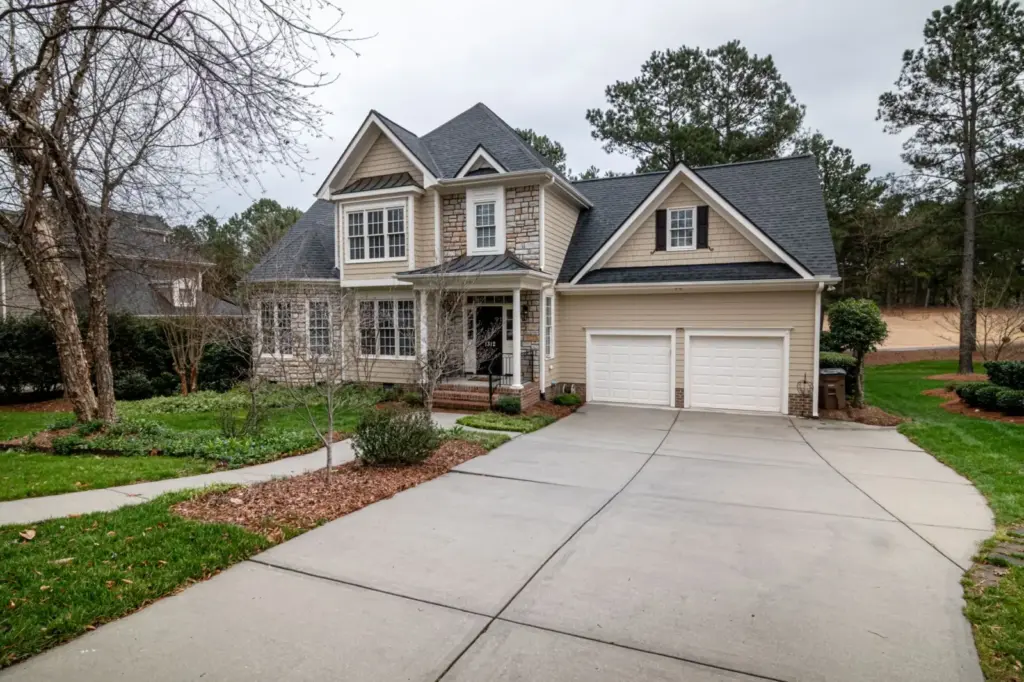
Vinyl siding consistently ranks among the most cost‑effective exterior upgrades. According to industry reports, a full vinyl siding replacement recoups roughly 70% to 80% of its cost at resale. That’s a strong return compared to many other remodeling projects. But the actual impact depends on your local market, the quality of the siding, and how well it complements your home’s style.
Buyers today value low maintenance. Vinyl siding never needs painting, resists rot, and doesn’t attract termites. If your current exterior looks dated or worn, new vinyl instantly modernizes the home. In competitive markets, that first impression can translate into a faster sale and a higher final price. For a deeper look at installation costs, Read also: Cost to Install Vinyl Siding on a 1500 sq ft House (2026 Guide).
Key Factors That Determine Your Return on Investment
Quality of the Siding Material
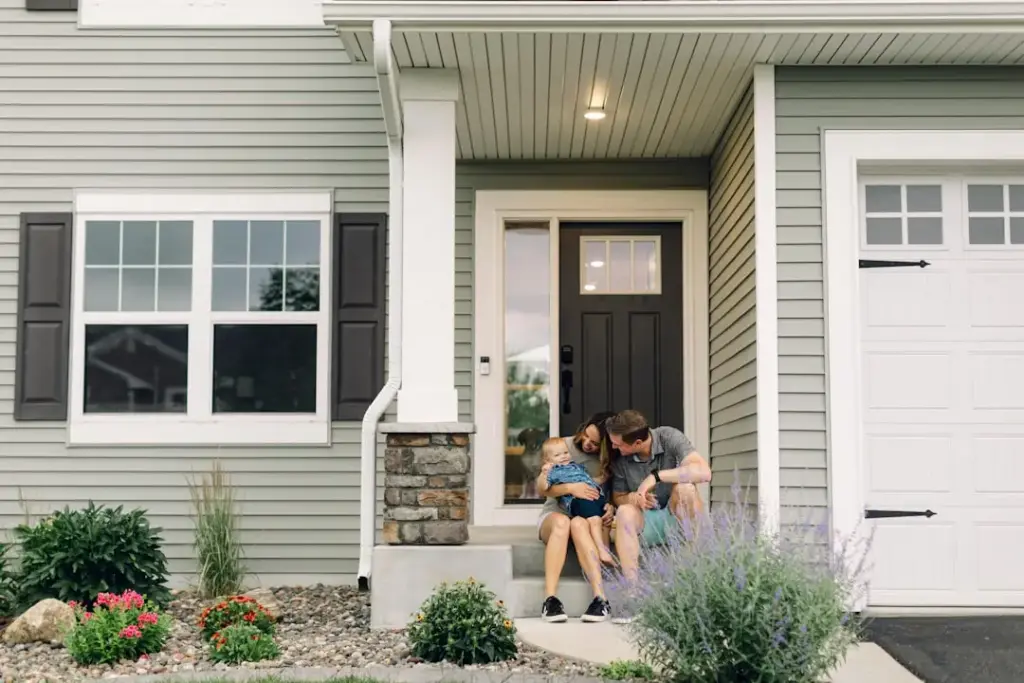
Not all vinyl siding is created equal. Thin, budget‑grade panels can warp, fade, and look cheap, which may actually hurt your home’s perceived value. Mid‑range and premium vinyl siding (0.044” or thicker) offers better durability, deeper colors, and wood‑like textures that appeal to discerning buyers.
Installation Workmanship
A poor installation—crooked seams, gaps, or improper fastening—will undermine even the best material. Professional installation ensures the siding performs well and looks seamless. Buyers will notice sloppy work and might deduct from their offer.
Insulation and Energy Efficiency
Insulated vinyl siding includes foam backing that improves the home’s thermal envelope. This appeals to energy‑conscious buyers and can be highlighted in listings as a selling point. The added insulation also reduces noise transmission.
Color and Style Choices
Neutral, classic colors (beige, gray, white, light blue) have the broadest appeal. Bold or unusual colors can limit your buyer pool. Similarly, horizontal lap siding remains the most traditional and widely accepted look.
Regional Market Conditions
In coastal areas or regions with harsh weather, vinyl’s resistance to moisture and wind damage is a major plus. In upscale neighborhoods, wood or fiber cement might be expected, but quality vinyl can still compete if it mimics wood convincingly.
Comparing Vinyl Siding Types for Maximum Resale Value
To help you choose wisely, here is a comparison of common vinyl siding categories based on factors that matter most for resale.
| Siding Type | Curb Appeal | Durability | Insulation Value | Cost (installed per sq. ft.) | Resale Impact | Best For |
|---|---|---|---|---|---|---|
| Standard Vinyl (0.040” – 0.044”) | Good | Moderate | Low (no insulation) | $4 – $8 | Moderate (70-75% ROI) | Budget‑conscious sellers in moderate climates |
| Insulated Vinyl | Very Good | High | High (R‑3 to R‑6) | $6 – $10 | High (75-80% ROI) | Energy‑conscious markets, colder regions |
| Premium/Thicker Vinyl (0.044”+) | Excellent | Very High | Moderate (optional foam) | $8 – $13 | Very High (80%+ ROI) | Upscale neighborhoods, long‑term ownership |
| Wood‑Look (Cedar/Shake Style) | Excellent (mimics natural wood) | High | Varies (insulated models available) | $9 – $15 | Very High (up to 85% ROI) | Homes with traditional or craftsman style |
| Budget Vinyl (0.035” – 0.040”) | Fair | Low (may warp/fade) | Low | $3 – $5 | Moderate/Low (55-65% ROI) | Rental properties, very tight budgets |
When you’re evaluating options, keep in mind that the total cost includes removal of old siding, underlayment, trim, and labor. For a detailed cost breakdown specific to a 1500 sq ft house, Read also: Cost to Install Vinyl Siding on a 1500 sq ft House (2026 Guide).
Top Vinyl Siding Choices for Boosting Resale Value
Below are five categories of vinyl siding that offer the best potential return on investment. Each represents a different balance of cost, appearance, and market appeal.
1. Standard Vinyl Siding – Best for Budget‑Focused Sellers
Overview: Standard vinyl siding is the entry‑level option. It’s widely available, easy to install, and offers a decent upgrade over materials like aluminum or wood that require maintenance.
Features: Typically 0.040” to 0.044” thickness, available in dozens of colors, with a limited texture selection. Most brands include a 20‑50 year warranty against fading and cracking.
Pricing: Installed cost ranges from $4 to $8 per square foot. For a 1500 sq ft house, expect $6,000 – $12,000 total.
Advantages:
- Lowest upfront cost
- Minimal maintenance (no painting)
- Good ROI if other homes in the area also use vinyl
Disadvantages:
- Thinner panels can warp in extreme heat or hail
- Limited insulation value
- May look less premium next to fiber cement or wood
Best For: Sellers in a price‑sensitive market where vinyl is the norm, and where the home needs a quick refresh without over‑investing.
User Experience: Homeowners report satisfaction with the low cost but note that color fading over 10+ years can be noticeable. For resale, most buyers don’t object if the siding is clean and uniform.
Expert Opinion: Standard vinyl is a safe bet if you’re on a tight budget. It won’t wow buyers, but it won’t scare them away either. The ROI is solid, but you could increase your return by choosing a slightly thicker gauge.
2. Insulated Vinyl Siding – Best Value for Energy Efficiency
Overview: Insulated vinyl siding has a rigid foam backing attached to the panel. This adds both thermal resistance and structural rigidity.
Features: R‑value between 3 and 6, reduces drafts, and helps prevent siding from denting. Available in a wide range of colors and textures, including cedar‑grain.
Pricing: Installed cost $6 – $10 per sq ft, or $9,000 – $15,000 for 1500 sq ft.
Advantages:
- Improves energy efficiency – a strong selling point
- Dents less easily than standard vinyl
- Reduces outside noise
Disadvantages:
- Higher upfront cost
- Not all insulation levels are equal – check specs
- Still not as durable as fiber cement
Best For: Sellers in cold climates or areas with high energy costs. It appeals to buyers who care about utility bills and comfort.
User Experience: Many homeowners notice a difference in their home’s comfort immediately after installation. Real estate agents often highlight the “insulated siding” in listings, which can justify a higher asking price.
Expert Opinion: Insulated vinyl offers the best balance of cost and added value. The energy savings can be used as a concrete selling point. Expect a slightly higher ROI than standard vinyl, often reaching 78-80%.
3. Premium/Thicker Vinyl Siding – Best Overall for Resale
Overview: Premium vinyl siding uses thicker panels (0.044” or more) and often includes advanced color-fast technology. It looks and feels more substantial.
Features: Deep embossing that mimics real wood grain, triple‑layer paint systems, and lifetime warranties. Many premium lines offer a “double‑4” or “triple‑3” profile that resembles horizontal wood siding.
Pricing: $8 – $13 per sq ft installed; total $12,000 – $19,500 for 1500 sq ft.
Advantages:
- Excellent curb appeal – rivals fiber cement
- Very durable – resists impact, wind, and salt
- Longest lifespan (50+ years)
Disadvantages:
- Most expensive vinyl option
- May still not satisfy buyers who insist on fiber cement or wood
- Installation requires more precision
Best For: Sellers in mid‑to‑upper price range homes where appearance is critical. It’s ideal if you plan to stay in the house for a while before selling.
User Experience: Homeowners feel proud of the look, and appraisers often assign a higher value to the home. Buyers frequently comment that the siding “looks like real wood” but without the maintenance.
Expert Opinion: If you can afford the investment, premium vinyl siding is the top choice for increasing resale value. It offers the highest ROI among vinyl types because it effectively bridges the gap between budget vinyl and high‑end materials.
4. Wood‑Look Vinyl Siding – Best Premium Appearance
Overview: Wood‑look vinyl replicates natural cedar shakes or clapboard with advanced molding technology. It’s designed for homes where aesthetics drive the sale.
Features: Textured surfaces with real wood grain patterns, often available in both horizontal lap and vertical shingle styles. Some products are integrated with foam insulation.
Pricing: $9 – $15 per sq ft installed; roughly $13,500 – $22,500 for 1500 sq ft.
Advantages:
- Highest curb appeal of any vinyl
- No painting, staining, or termite risk
- Can dramatically transform a home’s style
Disadvantages:
- High initial cost
- Niche appeal – may not suit modern architecture
- Can look artificial if not high quality
Best For: Homes with traditional, craftsman, or cottage styles where wood siding is typical but maintenance is a concern.
User Experience: Buyers often react very positively, especially if they initially thought the siding was real cedar. However, some purists still prefer the real thing.
Expert Opinion: Wood‑look vinyl is a specialty product. It can give you an edge in a competitive market, but your buyer pool may be smaller. The ROI is still high, around 80-85%, but make sure the imitation is convincing enough to justify the premium.
5. Budget Vinyl Siding – Best for Lowest Cost
Overview: Budget vinyl uses the thinnest profiles (0.035” – 0.040”) and limited colors. It’s often found in new construction subdivisions where cost is king.
Features: Minimal warranties (10‑20 years), no insulation, limited texture options. Lightweight and fast to install.
Pricing: $3 – $5 per sq ft installed; $4,500 – $7,500 for 1500 sq ft.
Advantages:
- Lowest possible cost to improve appearance
- Better than peeling paint or rotting wood
- Quick project turnaround
Disadvantages:
- Poor performance in extreme weather
- May lower perceived value if neighbors have premium siding
- Shorter lifespan, may need replacement before next sale
Best For: Rental properties, flips with extremely tight margins, or homes in areas where vinyl is standard and buyers don’t expect luxury.
User Experience: Some homeowners are happy with the savings, but many later regret the lack of insulation and durability. For resale, it’s a neutral to slightly negative move if the rest of the neighborhood has upgraded.
Expert Opinion: Budget vinyl can be a short‑term fix, but it rarely adds significant resale value. If you’re planning to sell within 5 years, you might be better off keeping the existing siding and reducing price slightly rather than installing cheap vinyl.
Should You Install Vinyl Siding Before Selling? A Practical Guide
What to Look For
Evaluate your current siding condition. If it’s severely damaged, faded, or dated (e.g., aluminum or asbestos), new vinyl will almost certainly boost your sale price. If the existing siding is in decent shape, consider a professional cleaning and minor repairs instead.
Important Features
- Thickness: Aim for 0.044” or higher for durability.
- Warranty: Look for at least 30 years transferable warranty.
- Colorfastness: Premium brands offer fade‑resistant coatings.
- Insulation: If your target buyers are energy‑conscious, insulated vinyl is worth the extra cost.
Pricing Factors
Labor typically accounts for 50‑60% of total cost. Complexity of the roofline, number of stories, and removal of old siding all affect final price. Get at least three quotes from local contractors.
Hidden Costs
- Permits ($100 – $500)
- Disposal fees for old siding
- Replacing trim, soffits, or fascia if damaged
- Potential moisture barrier repairs
Tips for Choosing Wisely
- Match the neighborhood standards – don’t overimprove or underinvest.
- Choose a neutral color that appeals to the broadest buyer base.
- Consider having the siding installed by a certified contractor to ensure warranty validity.
- If you’re on a strict budget, investigate quality budget brands. Read also: 7 Best Budget Vinyl Siding Brands for Mobile Homes (2026 Guide) – while focused on mobile homes, the brand insights apply to any affordable vinyl project.
Frequently Asked Questions
1. Does vinyl siding increase home value enough to cover the cost?
Yes, typically. The average ROI for vinyl siding replacement is 70-80%. So a $10,000 investment can add $7,000 – $8,000 to your sale price. However, local market conditions and the quality of installation matter significantly.
2. Is insulated vinyl siding worth the extra expense for resale?
Absolutely, especially in cold climates. The added energy efficiency appeals to buyers and often allows you to list higher. The ROI on insulated vinyl can reach 80% or more, and it also improves the home’s comfort during showings.
3. What color vinyl siding sells best?
Neutral earth tones like beige, gray, and off‑white have the widest appeal. White is also popular but may show dirt more. Avoid very dark or bright colors, as they can limit your buyer pool and may cause warping in hot sun.
4. How long does vinyl siding last before it needs replacement?
Premium vinyl can last 40‑50 years with minimal maintenance. Budget vinyl may last 15‑25 years. If you’re installing before selling, choose a product with a long warranty to reassure buyers.
5. Can vinyl siding hurt home value?
Only if it’s cheap, poorly installed, or mismatched with the neighborhood. In upscale areas where wood or brick is expected, vinyl may signal lower quality. But for most mid‑range homes, vinyl is a neutral to positive feature.
6. Should I replace old wood siding with vinyl before selling?
If the wood is rotting, painted, or high‑maintenance, yes. Vinyl removes the buyer’s worry about future upkeep. However, if the wood is historic or in perfect condition, some buyers might prefer it. Get a realtor’s opinion for your specific market.
7. Does vinyl siding affect appraised value?
Appraisers consider the condition, age, and material of the siding. New, high‑quality vinyl siding can increase the appraised value if it improves the overall condition rating of the home. Be sure to provide the appraiser with product specifications and warranty details.
8. Is it better to paint existing siding or install new vinyl?
If the existing siding is in good shape, painting is cheaper (about $2‑5 per sq ft). But painting adds no insulation and does not hide underlying damage. New vinyl offers a more modern look, better energy efficiency, and a longer lifespan, making it the better choice for resale if you can afford it.
Final Recommendations
After analyzing costs, resale data, and buyer preferences, here are our top picks for vinyl siding that maximizes your home’s resale value:
- Best Overall: Premium/Thicker Vinyl Siding (0.044”+) – offers the best combination of curb appeal, durability, and ROI (up to 80%+). Ideal for most homes in suburban and urban markets.
- Best Value: Insulated Vinyl Siding – provides energy efficiency that attracts modern buyers. It’s a small upcharge over standard vinyl but delivers a significantly better selling point.
- Best Premium Option: Wood‑Look Vinyl Siding – for homes with a traditional or upscale style, this option can yield the highest ROI of any vinyl (85%+), though it requires a larger investment.
- Best Beginner Choice: Standard Vinyl Siding – if you’ve never replaced siding before, this is the easiest to install and most forgiving. Works well for first‑time sellers on a budget.
- Best for Advanced Users: Insulated Vinyl with custom color matching – homeowners who understand their local market can fine‑tune color and insulation to beat competitors. This requires careful research but can deliver maximum profit.
Ultimately, the answer to does vinyl siding increase home value for resale is a qualified yes—provided you choose the right material, hire a skilled installer, and align your choice with buyer expectations in your area. Use the guide above to make a confident, profitable decision.
