You’ve got a beautiful white brick house, but something feels off. Maybe the trim is aging, or the existing siding looks tired. The hardest part isn’t the work itself—it’s deciding which color will actually look good against that bright white backdrop. You want a color that complements the brick, boosts curb appeal, and sticks around for years without fading or looking dated. That’s exactly why we put together this guide. We’ll walk you through the best vinyl siding color for a white brick house, considering style, heat reflection, maintenance, and budget. By the end, you’ll know exactly which shade fits your home and how to make the switch smoothly.
White brick is surprisingly versatile—it acts like a neutral canvas. But that also means the wrong siding color can scream “garage” or “afterthought.” In 2026, homeowners are leaning toward deep, rich tones and muted earth shades that add contrast without overpowering. Whether you’re updating a ranch, colonial, or modern farmhouse, this article helps you investigate the options that balance design and practicality.
Why Choosing the Right Vinyl Siding Color Matters
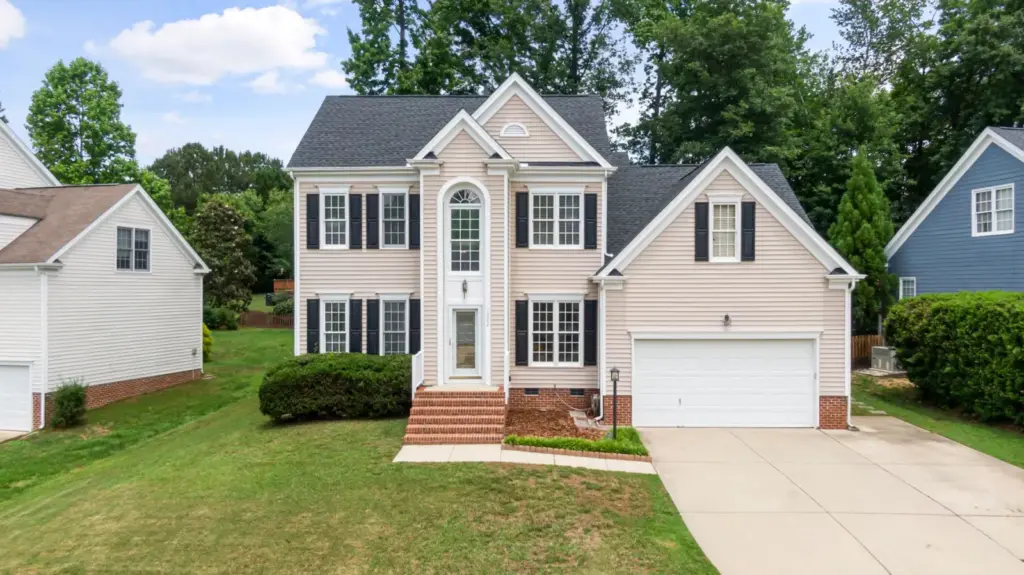
White brick doesn’t yell. It whispers. So your siding color has to carry the conversation. A poor choice can make your house look flat, washed out, or worse—like a mismatched patchwork. On the flip side, a thoughtful color selection can boost resale value by thousands and cut down on maintenance headaches. Vinyl siding is low-maintenance, but it still expands and contracts, fades under UV, and can show dirt faster depending on its shade. Darker colors, for example, absorb more heat—something to consider in hot climates. Lighter colors hide dust but may look too creamy against white brick. The market today offers advanced pigments that resist fading, plus textures that mimic wood or stone, so your options are better than ever.
Read also: Cost to Install Vinyl Siding on a 1500 sq ft House (2026 Guide)
Comparison Table: Top Vinyl Siding Colors for White Brick Houses
| Color | Aesthetic Appeal | Maintenance | Heat Reflection | Best Paired With | Price Range (per sq.ft.) | Overall Rating |
|---|---|---|---|---|---|---|
| Charcoal Gray | High contrast, modern | Low (hides dust well) | Medium to low (absorbs heat) | White brick, black or dark gray roof | $3.00 – $5.50 | ★★★★★ |
| Navy Blue | Rich, traditional | Low (dark shows less grime) | Low (absorbs heat) | White brick, warm wood accents | $3.50 – $6.00 | ★★★★☆ |
| Forest Green | Earthy, timeless | Medium (shows pollen in spring) | Medium | White brick, stained natural wood | $3.00 – $5.00 | ★★★★☆ |
| Cream / Off-White | Seamless, soft | Low (needs occasional wash) | High (reflects heat) | White brick, darker trim for definition | $2.50 – $4.50 | ★★★☆☆ |
| Black | Bold, dramatic | Low (hides dirt) but shows fading quicker | Very low (absorbs most heat) | White brick, bright white trim | $4.00 – $7.00 | ★★★★☆ |
Best Vinyl Siding Colors for a White Brick House: Our Top Picks
Here are the five best colors we recommend, based on current trends, real homeowner feedback, and installation data. Each color has its own personality, so we break down everything you need to know.
1. Charcoal Gray – Best Overall
Overview: Charcoal gray is the runaway favorite for white brick homes in 2026. It provides a crisp, modern contrast without being as stark as black. It works beautifully on both traditional and contemporary houses.
Features: Available in a wide range of shades (from light charcoal to almost black). Modern vinyl siding uses cool‑pigment technology to reduce heat absorption compared to older dark colors. Textured options (like cedar grain) add depth.
Pricing: Expect to pay $3.00 – $5.50 per square foot installed for standard charcoal gray vinyl siding. Premium insulated or wood‑grain versions can go up to $7.00.
Advantages:
– Hides dirt and pollen well.
– Looks clean and contemporary for decades.
– Pairs nicely with white brick, gray stone, and black windows.
Disadvantages:
– Dark color absorbs more heat; not ideal for very hot climates unless you spec reflective coatings.
– Can show chalky fading after 8‑10 years if low‑quality material is used.
Best For: Homeowners who want a safe, stylish upgrade that appeals to the widest pool of buyers. Works on ranch, colonial, and modern farmhouse styles.
User Experience: Many homeowners report that charcoal gray makes the white brick pop without competing with stone or landscaping. It also hides everyday dirt better than lighter shades. Some mention that in full sun, the siding gets noticeably hot to the touch—but it doesn’t damage the vinyl.
Expert Opinion: Architects often recommend charcoal gray for white brick because it creates a strong, grounded look. If you choose a high‑end vinyl product with UV stabilizers and cool‑pigment technology, fading is minimal. This color consistently adds curb appeal and resale value, making it our top choice for most homes.
2. Navy Blue – Best Premium Choice
Overview: Navy blue adds a classic, nautical elegance to white brick. It feels both traditional and fresh, especially when paired with warm wood accents or a natural stone foundation.
Features: Premium navy vinyl siding often comes with a longer fade warranty (30+ years). Deep pigment saturation means the color stays rich. Many brands offer a matte or satin finish that mimics painted wood.
Pricing: $3.50 – $6.00 per square foot installed. Designer lines with integrated insulation are $6.50 – $8.00.
Advantages:
– Extremely high curb appeal; stands out in a neighborhood of beige and gray.
– Pairs beautifully with white trim and black shutters.
– Dark color helps hide small imperfections in siding alignment.
Disadvantages:
– Can clash with other blue elements (e.g., a blue-gray roof).
– Not as versatile if you change front door color later.
– Heat absorption similar to charcoal gray; not for scorching climates.
Best For: Homeowners wanting a premium, distinctive look. Ideal for coastal, Cape Cod, or cottage‑style houses.
User Experience: People love how navy blue elevates the home’s personality. Some note that the color looks lighter on overcast days and deeper in direct sun. A few mention that it shows light‑colored dust (like pollen) more than expected.
Expert Opinion: Navy blue is an excellent long‑term investment if you choose a reputable brand with a proven fade‑resistant formula. It’s less trendy than charcoal gray, so it won’t look dated quickly. For the best look, pair navy siding with off‑white or bright white trim to keep the contrast sharp.
Read also: Install Vinyl Siding J‑Channel Around Windows – Full Guide
3. Forest Green – Best Value
Overview: Forest green connects your white brick home to nature. It’s a neutral earth tone that works surprisingly well with white brick, especially if you have a wooded lot or want a rustic feel.
Features: Green vinyl siding is widely available and often priced lower than specialty colors. Many manufacturers produce a “hemlock” or “cedar” green that mimics stained wood. It hides dust moderately well.
Pricing: $3.00 – $5.00 per square foot installed. This is often one of the most affordable dark colors.
Advantages:
– Calming, natural look that blends with landscaping.
– Good resale value in suburban and rural areas.
– Budget‑friendly compared to navy or black.
Disadvantages:
– Can appear outdated if the shade is too yellow‑green.
– Pollen and dust show more in spring.
– Not ideal for homes with a green roof or red brick accents.
Best For: Homeowners on a budget who still want a rich, dark color. Great for traditional, cottage, or arts‑and‑crafts homes.
User Experience: Owners appreciate the warmth forest green brings to white brick. Some mention that it requires a yearly wash to keep the color consistent, but general maintenance is low. A few noted that the color looks different in shade compared to direct light, so it’s worth checking samples on your own wall.
Expert Opinion: Forest green is a classic choice that often reappears every decade. Its lower cost doesn’t mean lower quality—just a broader market. Choose a medium‑dark green (not too dark) to avoid the color swallowing the white brick. Pair with dark brown or black trim for the best effect.
4. Black – Most Dramatic
Overview: Black vinyl siding is gaining popularity for white brick houses that want a bold, architectural statement. It creates a high‑contrast monotone look that feels very modern and upscale.
Features: Black siding uses advanced pigments to maintain depth and minimize fading. It’s available in flat, matte, and wood‑grain finishes. Most top‑tier brands offer a lifetime fade warranty.
Pricing: $4.00 – $7.00 per square foot installed. The premium price reflects pigment technology and demand.
Advantages:
– Unmatched modern look; feels like a custom design.
– Hides dirt, bird droppings, and mildew exceptionally well.
– Pairs with white trim, black doors, and black windows for a cohesive palette.
Disadvantages:
– Highest heat absorption—can stress vinyl panels in extreme heat (above 160°F).
– Fading is more noticeable on black than on gray or green, even with quality pigment.
– May not suit traditional or historic neighborhoods.
Best For: Homeowners seeking a contemporary, dramatic transformation. Best in cooler climates or with overhangs that shade the siding.
User Experience: Many owners say black siding makes their white brick house look like a designer showpiece. But they also caution that it can feel “heavy” if the house is small. Some have reported slight warping on south‑facing walls during heatwaves, so proper installation with adequate furring is essential.
Expert Opinion: Black is not for everyone, but when done right, it delivers incredible curb appeal. Ensure you buy from a reputable manufacturer with a climate‑specific warranty. If you live in the Sun Belt, consider a reflective black (cool‑pigment) version. This color works best on houses with large windows that break up the dark mass.
5. Cream or Off‑White – Best for a Monochromatic Look
Overview: If you prefer a seamless, soft appearance, an off‑white or cream vinyl siding can blend with your white brick. This isn’t a contrast choice—it’s a tonal harmony that creates a unified, elegant facade.
Features: Cream vinyl siding is often the most affordable option. Look for a shade that’s slightly warmer or cooler than your brick’s undertone to avoid looking like a mis‑matched paint sample.
Pricing: $2.50 – $4.50 per square foot installed. It’s the most economical color because it’s produced in high volume.
Advantages:
– Reflects heat exceptionally well; keeps home cooler.
– Doesn’t fade as noticeably as dark colors—even low‑cost vinyl lasts well.
– Creates a soft, airy look that feels larger.
Disadvantages:
– Shows dirt, grime, and rain streaks quickly.
– Low contrast can make a white brick house look flat or washed out.
– Must be very careful with shade selection to avoid clashing with brick.
Best For: Homeowners on a strict budget, or those with a very traditional white brick house who want a subtle, non‑trendy update. Also good for hot climates where heat reflection is a priority.
User Experience: Some owners love the clean, bright appearance of cream siding against white brick, especially after a rain. Others find they need to pressure‑wash twice a year to keep it looking fresh. Many note that cream siding doesn’t “wow” visitors but feels safe and classic.
Expert Opinion: Off‑white is a safe bet if you plan to sell within five years and need a neutral backdrop. But for homeowners looking to maximize curb appeal, we suggest at least a medium‑or‑above contrast level. If you go with cream, choose a trim color that’s several shades darker (like dark gray or navy) to add definition.
How to Choose the Best Vinyl Siding Color for a White Brick House
Selecting the right color isn’t just about liking how it looks on a sample. Several factors will affect both appearance and performance. Here’s what to consider before you buy.
What to Look For
- Contrast Level: White brick is already light. A medium‑dark or dark siding creates a striking silhouette. Low‑contrast colors (cream, beige) soften the look but can blur the home’s lines.
- Undertones: Check your white brick’s undertone—is it a warm white (yellowish), cool white (blueish), or neutral? Warm whites pair well with browns, greens, and creams. Cool whites work best with grays, blacks, and blue shades.
- Roof Color: Your roof is the second largest color plane. Make sure the siding color coordinates. For example, charcoal gray siding works with most roof colors; navy needs a neutral or gray roof; forest green clashes with green roofs.
Important Features to consider
- Fade resistance: Look for vinyl siding with UV inhibitors and a fade warranty of at least 25 years. Darker colors need premium pigments.
- Heat reflection: If you live in a hot climate, choose a color with high solar reflectance (light colors) or cool‑pigment technology (available in dark colors).
- Texture: Smooth siding looks modern; wood‑grain or cedar textures add warmth and help hide imperfections. Both are available in all popular colors.
Pricing Factors
Vinyl siding pricing depends on material quality, insulation, color, and installation complexity. On average, you’ll pay $2.50 – $8.00 per square foot installed. Darker and premium colors cost more because of pigment technology. Insulated vinyl siding (with foam backing) adds $1.00 – $2.00 per square foot but improves energy efficiency and durability.
Read also: Cost to Install Vinyl Siding on a 1500 sq ft House (2026 Guide)
Hidden Costs
- Removal and disposal of old siding: $0.50 – $1.50 per square foot.
- Wall preparation (repairing damaged sheathing): $1.00 – $3.00 per square foot.
- Trim, J‑channel, and corner posts: $0.50 – $1.00 additional per linear foot.
- Permits (if required): $50 – $200 depending on location.
Tips for Choosing Wisely
- Always test large samples (at least 2×2 feet) on your house and observe them in morning, noon, and evening light.
- Ask neighbors or online groups in your area what colors they’ve used on white brick—real examples are better than catalog photos.
- If you plan to sell soon, stick with neutral darks (charcoal gray, navy) that appeal to the widest buyer pool.
- Don’t forget to coordinate with your front door, garage door, and window trim. A cohesive color scheme makes everything look intentional.
Frequently Asked Questions
What color vinyl siding looks best with white brick?
Charcoal gray is the most versatile and popular choice because it creates a modern, high‑contrast look that works with many architectural styles. Navy blue and black also look excellent, especially for homeowners who want a bold statement.
Can you put dark vinyl siding on a white brick house in a hot climate?
Yes, but choose a product with cool‑pigment technology that reflects more infrared light. This reduces heat absorption and helps prevent warping. Light colors like cream or tan are better for extreme heat if you want minimal thermal stress.
Does white brick go out of style?
White brick has been popular for decades and isn’t going away. It works with many design trends. The key is to update siding and trim colors periodically to keep the overall look fresh. In 2026, white brick paired with dark siding is very on‑trend.
How long does vinyl siding last on a white brick house?
Quality vinyl siding lasts 30–50 years. Dark colors may show fading sooner (10–15 years) if not premium grade. Regular cleaning and inspection help extend life. Many manufacturers offer 30‑year to lifetime warranties on fade and structural integrity.
Should I match my vinyl siding color to my brick or contrast it?
Contrast is generally better for curb appeal. Matching the color can make the house look like one solid mass without dimension. Aim for at least 2–3 shades darker than the white brick, unless you want a soft monochromatic effect for a very traditional home.
What color trim goes best with white brick and dark gray siding?
Bright white trim creates a crisp, clean look that emphasizes the dark gray. Off‑white or cream trim provides a warmer, softer edge. Dark gray or black trim can also work for a minimalist, monochrome appearance.
Is it cheaper to paint brick or install vinyl siding over white brick?
Painting brick costs $2–$6 per square foot but requires repainting every 5–8 years. Vinyl siding over white brick typically costs $5–$10 per square foot installed but lasts 30+ years with little maintenance. Over the long term, vinyl siding is often more cost‑effective.
Final Recommendations
Best Overall – Charcoal Gray: Highest versatility, modern appeal, and strong resale value. Works on nearly any white brick house and hides dirt well.
Best Value – Forest Green: Budget‑friendly, timeless, and natural. Great for homeowners who want a rich color without the premium price tag.
Best Premium Option – Navy Blue: Adds elegance and distinction. Invest in a high‑quality vinyl line for fade resistance.
Best for Beginners – Charcoal Gray: It’s the easiest color to pair with existing roof, trim, and landscaping. Hard to get wrong.
Best for Advanced Users – Black: For those confident in design and willing to manage heat and fading. Delivers unmatched drama when done right.
Remember, the best vinyl siding color for a white brick house is one that fits your climate, personal style, and budget. Take your time, order samples, and talk to local contractors who have experience with your brick’s specific undertone. A thoughtful choice will reward you with years of beauty and lower maintenance.
